Instructions

haier dehumidifier instruction manual

Haier Dehumidifier Instruction Manual: A Comprehensive Guide

Welcome! This manual provides essential guidance for your Haier dehumidifier‚ covering setup‚ operation‚ maintenance‚ and troubleshooting for optimal performance and longevity.

Explore detailed instructions‚ safety precautions‚ and feature explanations to effectively manage humidity and enjoy a comfortable indoor environment.

Congratulations on selecting a Haier dehumidifier! This appliance is designed to efficiently reduce excess moisture‚ creating a healthier and more comfortable living space.

This manual serves as a comprehensive resource‚ guiding you through the features and functions of your specific model – from initial setup to ongoing maintenance.

Understanding its capabilities will ensure optimal performance and extend the lifespan of your dehumidifier.

Safety Precautions

Important: Prioritize safety during dehumidifier use. Always follow electrical safety guidelines to minimize fire or shock risks.

Never use extension cords. Disconnect the unit before cleaning or maintenance.

Avoid operating with a damaged cord or plug. Keep the unit away from flammable materials and ensure proper ventilation.

Serious injury or death could occur if precautions are ignored.

Important Warnings and Risks

Caution: This dehumidifier presents potential risks if safety guidelines aren’t followed. A risk of fire exists with improper use‚ potentially causing serious injury or even death.

Never operate the unit near flammable substances.

Ensure adequate ventilation and avoid obstructing the air inlet or outlet.

Always unplug before servicing.

Electrical Safety Guidelines

Important: To minimize electrical shock risk‚ do not use extension cords with this dehumidifier. Always plug directly into a grounded outlet.

Never operate with a damaged cord or plug.

Ensure the voltage matches the unit’s specifications.

Disconnect the power before cleaning or maintenance.

Dehumidifier Components & Features

Explore your Haier dehumidifier! Key components include the water tank‚ air inlet‚ air outlet‚ control panel‚ and filter.

Features like Smart Dry automatically optimize settings.

The portable design allows for flexible placement.

Understanding these parts ensures efficient operation and effective moisture removal.

Overview of Key Parts

Essential components include: the water tank for collected moisture‚ the air inlet drawing in humid air‚ and the air outlet expelling dry air.

The control panel manages settings‚ while the air filter removes dust.

These parts work together to efficiently reduce humidity levels within your space.

Control Panel Explanation

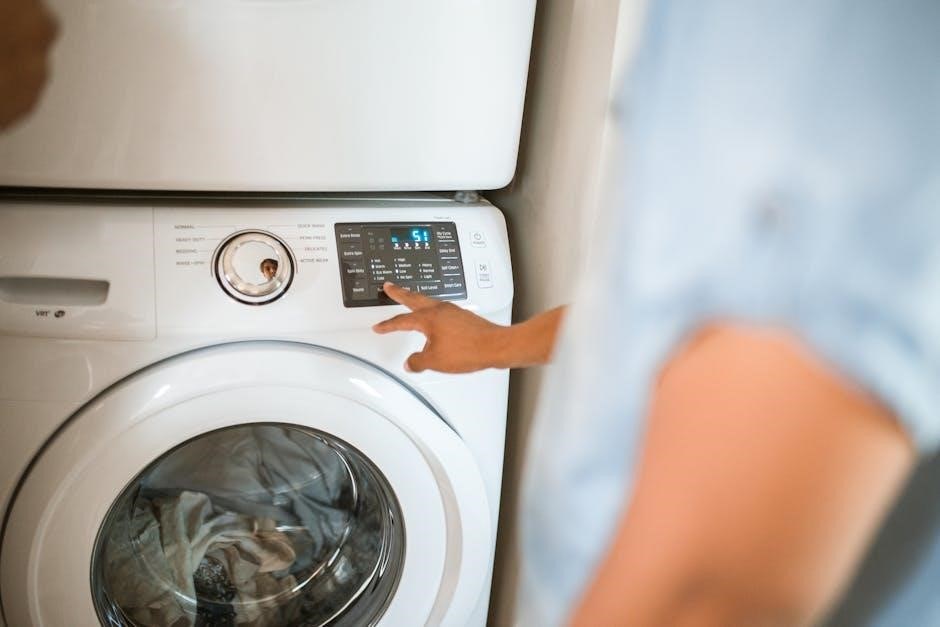
The control panel features: power button‚ mode selection (Auto‚ Continuous‚ Manual)‚ fan speed adjustment‚ and humidity level settings.

A digital display shows current humidity and set points.

Timer settings allow scheduled operation‚ while indicator lights signal tank full or operational status for convenient control.

Getting Started: Setup and Operation

Initial setup is simple: place the dehumidifier on a level surface‚ ensuring adequate ventilation around the unit.

Connect to a grounded electrical outlet – avoid extension cords.

Power on‚ select your desired mode‚ and adjust humidity levels. Allow several hours for optimal moisture removal.

Initial Setup Instructions

Before first use‚ carefully unpack your Haier dehumidifier and inspect for any shipping damage. Position the unit on a stable‚ level floor‚ allowing at least 6 inches of clearance on all sides for optimal airflow.

Ensure the water tank is correctly inserted.

Powering On and Basic Operation

To begin‚ plug the dehumidifier into a grounded outlet. Press the power button to initiate operation. Select your desired mode – Auto‚ Continuous‚ or Manual – using the control panel.

The unit will automatically begin removing moisture from the air‚ displaying the current humidity level.

Understanding Control Panel Functions

The control panel is your interface for managing dehumidification. It features mode selection for Auto‚ Continuous‚ and Manual operation. Adjust fan speed to balance noise and efficiency. Set your preferred humidity level for customized comfort‚ and utilize the Smart Dry function for intelligent moisture control.

Mode Selection (Auto‚ Continuous‚ Manual)

Auto mode maintains a set humidity level‚ cycling on and off as needed. Continuous mode operates constantly‚ maximizing moisture removal. Manual mode offers direct control‚ allowing you to run the dehumidifier without humidity feedback‚ ideal for specific drying tasks or situations.

Fan Speed Adjustment

Adjusting fan speed impacts both dehumidification rate and noise level. Higher speeds maximize moisture removal but generate more sound. Lower speeds offer quieter operation‚ suitable for bedrooms or nighttime use. Experiment to find the optimal balance between performance and comfort based on your needs.

Humidity Level Setting

Precisely control your desired room humidity! Use the control panel to select a target percentage‚ typically between 30% and 80%. Lower settings aggressively remove moisture‚ ideal for very damp spaces. Higher settings maintain a more comfortable‚ less drying environment. Monitor and adjust as needed.

Maintenance and Cleaning

Regular upkeep ensures peak performance and extends your dehumidifier’s life. Prioritize filter cleaning – a clogged filter reduces efficiency. Empty the water tank frequently to prevent overflows and maintain hygiene. Wipe down the exterior with a damp cloth. Consistent cleaning guarantees optimal operation!

Filter Cleaning Procedures

Locate the filter‚ usually behind a front grille. Gently remove it and vacuum away loose dust. For deeper cleaning‚ wash with mild soap and water‚ then rinse thoroughly. Ensure it’s completely dry before reinstalling. Clean the filter every two weeks for optimal airflow and dehumidifying efficiency.

Water Tank Emptying and Cleaning

Remove the full water tank carefully. Empty the collected water and rinse the tank with clean water. To prevent mold‚ periodically disinfect with a mild bleach solution‚ ensuring thorough rinsing afterward. Dry completely before reinserting. Regular cleaning maintains hygiene and optimal dehumidifier performance.

Exterior Cleaning Instructions

Disconnect the dehumidifier from power before cleaning. Wipe the exterior with a soft‚ damp cloth to remove dust and dirt. Avoid harsh chemicals or abrasive cleaners‚ as they can damage the finish; Ensure the unit is dry before resuming operation. Regular exterior cleaning keeps your dehumidifier looking its best.

Troubleshooting Common Issues

If the dehumidifier won’t turn on‚ check the power cord and outlet. For poor dehumidification‚ ensure proper airflow and tank isn’t full. Error codes indicate specific problems; consult the manual for definitions. Restarting the unit often resolves minor glitches. Contact support for persistent issues.

Dehumidifier Not Turning On

First‚ verify the power cord is securely plugged into a working outlet. Next‚ check the circuit breaker or fuse box for tripped breakers or blown fuses. Ensure the dehumidifier’s power button is firmly pressed. If issues persist‚ try a different outlet to rule out electrical problems.

Poor Dehumidification Performance

Check if the air filter is clean; a clogged filter restricts airflow. Ensure windows and doors are sealed to prevent humid air from entering. Verify the unit isn’t placed too close to walls or furniture‚ hindering circulation. Select a lower humidity setting or use continuous mode for maximum moisture removal.

Error Codes and Their Meanings


Consult the manual for specific error codes displayed on your Haier dehumidifier. Common codes may indicate a full water tank‚ a sensor malfunction‚ or a compressor issue. If an error persists after troubleshooting‚ disconnect the unit and contact Haier customer support for assistance and potential repair options.

Advanced Features & Settings

Explore the Smart Dry functionality‚ which automatically adjusts settings for optimal humidity control. Utilize the timer function to schedule operation‚ saving energy and ensuring comfort. Customize your experience with advanced settings‚ tailoring the dehumidifier to your specific needs and preferences for efficient performance.

Smart Dry Functionality

Leverage the intelligent Smart Dry feature‚ which automatically monitors room humidity and adjusts fan speed and operation mode. Enjoy consistently comfortable conditions without manual adjustments‚ as the dehumidifier optimizes performance based on ambient conditions. Benefit from energy efficiency and a hassle-free experience.

Timer Settings and Usage

Utilize the built-in timer to schedule dehumidifier operation‚ enhancing convenience and energy savings. Set a delayed start to activate the unit at a specific time‚ or program an auto-shutoff for worry-free operation. Customize your dehumidifying schedule to align with your lifestyle and preferences for optimal comfort.

Technical Specifications

Haier dehumidifiers boast diverse model numbers and capacities‚ ranging from 20 to 70-pint collection rates. Power consumption varies based on the model‚ typically between 200-500 watts. Review your specific model’s label for precise details regarding voltage‚ amperage‚ and refrigerant type for informed usage and maintenance.

Model Numbers and Capacities

Haier offers a wide array of dehumidifier models‚ including QDHR20LZ (20-pint) and DE65EJ-L (65-pint) options. Capacities range significantly‚ catering to various space sizes and humidity levels. Refer to your unit’s label or packaging to confirm its specific pint capacity for optimal performance expectations.

Power Consumption Details

Haier dehumidifiers are ENERGY STAR certified for efficient operation. Power consumption varies by model and settings; a 20-pint unit typically uses around 280 watts. Always avoid extension cords due to fire risk. Check the unit’s label for precise wattage and amperage information to manage energy usage effectively.

Warranty Information

Haier dehumidifiers come with a standard one-year limited warranty covering manufacturing defects. Coverage includes parts and labor for repairs or replacement. To file a claim‚ retain your proof of purchase and contact Haier Customer Service. Warranty is voided by misuse or unauthorized modifications. See full details in the warranty document.

Coverage Details

Haier’s limited warranty safeguards against defects in materials and workmanship for one year from purchase. It covers parts and labor for necessary repairs or component replacement. This warranty doesn’t extend to damage from misuse‚ accidents‚ or unauthorized repairs. Registration may be required to validate your claim; check your documentation.

Claim Procedures

To initiate a warranty claim‚ contact Haier Customer Service with your model and serial number‚ proof of purchase‚ and a detailed description of the issue. They will provide instructions for repair or replacement. Retain all documentation related to your claim‚ including shipping receipts; Haier reserves the right to inspect the unit.

Storage and Winterization

Before long-term storage‚ thoroughly clean and dry your Haier dehumidifier‚ including the water tank. Ensure it’s stored in a cool‚ dry place‚ protected from freezing temperatures and direct sunlight. Cover the unit to prevent dust accumulation. Disconnect the power cord and consider coiling it securely.

Preparing for Long-Term Storage

Prior to storing your Haier dehumidifier for an extended period‚ completely empty and clean the water tank to prevent mold growth. Thoroughly dry both the interior and exterior surfaces. Remove any filters and clean them separately‚ allowing them to fully dry before storage. Secure the power cord.

Proper Storage Conditions

Store the dehumidifier in a cool‚ dry‚ and well-ventilated area‚ protected from direct sunlight and extreme temperatures. Avoid locations prone to dust or moisture. Ensure the unit remains upright to prevent any potential damage to the compressor. Cover it loosely with a plastic sheet to shield from dust accumulation.

Frequently Asked Questions (FAQ)

Q: Why isn’t my dehumidifier removing moisture? A: Check the filter and tank. Q: What do error codes mean? A: Refer to the troubleshooting section for code definitions. Q: How often should I clean the filter? A: Every two weeks for optimal performance.

Common User Queries

Q: My unit won’t power on – what should I do? A: Ensure the power cord is secure and the outlet functions. Q: How do I reset the dehumidifier? A: Unplug it for ten minutes. Q: Can I use an extension cord? A: No‚ it poses a fire risk.

Addressing Specific Concerns

Q: My dehumidifier isn’t removing enough moisture. A: Check the filter and ensure proper airflow. Q: What do error codes mean? A: Consult the troubleshooting section for code definitions. Q: Can I leave it running continuously? A: Yes‚ using the continuous mode is acceptable.

Contact Information & Support

Haier Customer Service: For assistance‚ visit the Haier Appliances website or call their support line. Online Resources: Explore the Haier support pages for FAQs‚ manuals‚ and troubleshooting guides. Manual Library: Access downloadable manuals at the Internet Archive for various models.

Haier Customer Service Details

Reach out to Haier through their official website for direct support. Explore comprehensive online resources‚ including FAQs and troubleshooting guides. Find manuals and assistance via the Internet Archive’s extensive collection of Haier dehumidifier documentation. Contact details are readily available on their support pages.

Online Resources and Support

Access a wealth of information through Haier’s official website‚ featuring downloadable manuals and troubleshooting assistance. Explore the Internet Archive for user manuals like the DE45EJ-L model. Utilize ManualsLib and similar platforms for additional guides. Discover support forums and FAQs for quick answers to common queries.

Parts List & Diagrams

Identify replacement components easily with detailed parts lists specific to your Haier dehumidifier model. Refer to exploded view diagrams for a clear understanding of assembly and disassembly. Locate essential parts for maintenance and repairs‚ ensuring optimal functionality. Find resources online‚ aiding in self-service or professional assistance.

Identifying Replacement Parts

Locate specific part numbers using your Haier dehumidifier’s model number‚ found on the unit’s label. Consult the comprehensive parts list within this manual or on the Haier website. Ensure compatibility before ordering‚ verifying dimensions and specifications. Source parts from authorized Haier retailers for genuine replacements.

Exploded View Diagrams

Refer to detailed exploded view diagrams illustrating the Haier dehumidifier’s assembly. These diagrams showcase each component’s precise location and relationship to others. Utilize these visuals during repairs or part replacements‚ ensuring correct reassembly. Find diagrams within this manual or accessible online via Haier’s support resources.

Energy Saving Tips

Maximize efficiency by utilizing the Smart Dry function‚ automatically adjusting operation based on humidity levels. Regularly clean the air filter to maintain optimal airflow and reduce energy consumption. Consider using the timer function to operate the dehumidifier only when needed‚ avoiding unnecessary runtime.

Optimizing Dehumidifier Usage

Strategically position your Haier dehumidifier in a central location‚ ensuring adequate airflow around the unit. Minimize door and window openings in the dehumidified space to reduce moisture influx. Utilize the Auto mode for consistent humidity control‚ allowing the unit to cycle on and off as needed for peak efficiency.

Reducing Energy Consumption

Leverage the built-in timer to operate the dehumidifier only when necessary‚ avoiding unnecessary runtime. Regularly clean the air filter to maintain optimal airflow and prevent the unit from working harder. Consider using the manual humidity setting‚ adjusting it to the highest comfortable level to minimize energy use.

Instructions

bco 10 instructions

The BCO-10 form is Pennsylvania’s annual registration requirement for nonprofit organizations, ensuring compliance with state regulations. It simplifies the filing process, promoting transparency and accountability in charitable operations.

1.1 Overview of BCO-10


The BCO-10 form is a critical registration document for nonprofit organizations operating in Pennsylvania. It ensures compliance with state charitable solicitation laws, providing transparency into an organization’s financial activities and governance structure. The form requires detailed information about the organization’s purpose, leadership, and financial status, as well as attachments like the IRS Form 990. It must be signed by two authorized officers, including the chief fiscal officer, to validate accuracy. Annual filing of the BCO-10 is mandatory for maintaining tax-exempt status and public trust. Proper completion helps nonprofits demonstrate accountability and adherence to regulatory standards.

1.2 Importance of BCO-10 in Business Operations

The BCO-10 plays a pivotal role in ensuring regulatory compliance and maintaining public trust for nonprofits in Pennsylvania. By adhering to its requirements, organizations demonstrate accountability and transparency, which are essential for attracting donors and stakeholders; Compliance with the BCO-10 also prevents legal penalties and potential loss of tax-exempt status. Additionally, the form helps organizations review their financial and operational practices annually, fostering better governance and strategic planning. It serves as a crucial tool for nonprofits to align their activities with state laws and ethical standards, ensuring their continued legitimacy and effectiveness in serving their mission.

What is BCO-10?

BCO-10 is a mandatory registration form for charitable organizations in Pennsylvania, ensuring transparency and compliance with state regulations. It details financial activities, governance, and operational practices annually.

2.1 Definition and Purpose

BCO-10 is a mandatory registration form required for charitable organizations operating in Pennsylvania. It is administered by the Pennsylvania Bureau of Corporations to ensure transparency and accountability. The primary purpose of BCO-10 is to provide detailed information about the organization’s financial activities, governance structure, and programs. It also requires disclosure of key personnel and compliance with state regulations. By filing BCO-10, charities demonstrate their commitment to ethical practices and adherence to legal standards. This form is essential for maintaining tax-exempt status and public trust, as it allows the state to monitor charitable activities and ensure alignment with regulatory requirements.

2.2 Key Features of BCO-10

The BCO-10 form is characterized by its detailed requirements, ensuring comprehensive disclosure of an organization’s activities. Key features include mandatory financial statements, which outline income, expenses, and assets. It also requires a breakdown of governance policies, such as board composition and conflict-of-interest procedures. Additionally, the form mandates disclosure of programmatic activities, including descriptions of charitable services and grants awarded. Another critical feature is the requirement to list key personnel and their compensation. The form also includes sections for reporting compliance with state-specific regulations. These features collectively ensure transparency and accountability, making the BCO-10 a robust tool for regulatory oversight and public scrutiny.

Eligibility Criteria for Filing BCO-10

Eligibility for filing BCO-10 typically applies to charitable organizations, nonprofits, and certain business entities meeting specific income thresholds and operational requirements within designated jurisdictions.

3.1 Who Needs to File BCO-10?

Organizations required to file BCO-10 typically include registered charities, nonprofits, and certain business entities engaged in specific activities. Generally, entities with annual income exceeding a defined threshold must comply. This includes religious institutions, educational organizations, and associations operating for public benefit. Additionally, businesses involved in regulated activities or those receiving grants or sponsorships may need to file. The requirement ensures transparency and accountability in operations. Specific criteria vary by jurisdiction, so it’s essential to verify local regulations. Filing BCO-10 is mandatory for maintaining compliance and avoiding penalties. Always consult official guidelines to confirm eligibility and obligations.

3.2 Exemptions and Special Cases

Certain entities may be exempt from filing BCO-10 under specific circumstances. Small organizations with annual income below a specified threshold are often exempt. Additionally, entities like religious institutions, educational organizations, or government agencies may qualify for exemptions. Special cases include organizations operating exclusively for charitable purposes or those whose activities are regulated under separate legal frameworks. Exemptions may also apply to subsidiaries of larger organizations if consolidated reports are filed. It’s important to review jurisdiction-specific regulations to determine eligibility for exemptions. Always verify the latest guidelines to ensure compliance and avoid unnecessary filings. Exemptions are subject to change, so regular updates are essential.

The Registration Process

The BCO-10 registration process is streamlined for efficiency, ensuring compliance with regulatory requirements while minimizing administrative burdens.

4.1 Step-by-Step Guide to Filing BCO-10

To file BCO-10, start by gathering all required documents, including business registration proof and identification details. Next, visit the official portal and create an account if you don’t already have one. Log in and navigate to the BCO-10 form section. Fill in the required fields accurately, ensuring all information aligns with your business operations. Review the form thoroughly to avoid errors. Submit the form and pay the applicable fees online. Once submitted, download the acknowledgment receipt for your records. Follow up to ensure the application is processed without delays. Regularly check the portal for updates or additional requirements.

4.2 Required Documentation for BCO-10

To complete the BCO-10 form, specific documents are necessary. These include proof of business registration, such as a certificate of incorporation or partnership deed. Additionally, identification documents like PAN cards, Aadhaar cards, or passports for all stakeholders must be provided. Ownership details, including shareholding patterns for companies, are also required. Financial statements, such as profit and loss accounts and balance sheets, may be needed for certain cases. Ensure all documents are valid, up-to-date, and attested as per regulatory requirements. Having these ready beforehand streamlines the filing process and avoids delays. Maintain digital copies for easy submission through the online portal.

Instructions for Filing BCO-10

Follow step-by-step guidelines to ensure accurate submission. Gather all required documents and review the form carefully before filling. Submit online through the designated portal and seek professional help if needed.

5.1 Before You Start

Ensure you meet the eligibility criteria and have all necessary documents ready. Verify the business details and review the latest BCO-10 guidelines. Create an account on the official portal and familiarize yourself with the form layout. Gather required documents, such as business registration proof, financial statements, and identification documents. Double-check the submission deadline to avoid late penalties. Ensure internet connectivity and browser compatibility for smooth form submission. It’s advisable to seek professional assistance if unsure about any step to avoid errors.

5.2 Filling Out the Form

Read the instructions carefully before entering any information. Ensure all required fields are filled accurately, using the correct format for dates, numbers, and addresses. Use online guides or help icons if available. Enter business details, financial data, and other relevant information precisely; Avoid errors by cross-verifying each section. Save your progress periodically to prevent data loss. Use the “Back” button to review previous sections without losing entered data. Attach required documents in the specified format. Double-check all details before final submission to avoid rejection. Ensure the form is completed within the allotted time frame for submission.

Understanding the Structure of BCO-10

The BCO-10 form is structured into clear sections covering business details, financial data, and operational information, designed for clarity and ease of use for businesses.

6.1 Section-by-Section Breakdown

The BCO-10 form is divided into multiple sections, each serving a specific purpose. Section A typically covers business identification details, such as name, address, and registration number. Section B focuses on ownership and management structure, requiring names and roles of key personnel. Section C delves into financial details, including annual turnover and tax-related information. Section D covers operational specifics like business activities and locations; Each section is designed to gather essential data for compliance and regulatory oversight. Understanding each part ensures accurate and efficient completion of the form, avoiding errors or omissions that could lead to delays or penalties.

6.2 Tips for Accurate Completion

To ensure accurate completion of the BCO-10 form, start by carefully reviewing the instructions provided. Use clear and concise language when filling in details, avoiding abbreviations unless specified. Double-check all numerical data, such as financial figures and identification numbers, to prevent errors. Cross-reference information with official documents to ensure consistency. Highlight or underline important sections to maintain focus. If unsure about a specific field, consult the guidelines or seek clarification from the appropriate authority. Finally, proofread the entire form before submission to catch any overlooked mistakes. Accuracy is crucial to avoid delays or potential penalties.

Renewal and Maintenance

Renewing BCO-10 annually ensures compliance and operational continuity. Submit required documents by deadlines to avoid penalties. Regular updates maintain accuracy and adherence to regulatory standards.

7.1 Annual Renewal Process

The annual renewal process for BCO-10 involves submitting updated information and required documents by the specified deadline. Businesses must review and verify all details for accuracy. The renewal application typically includes updated financial statements, operational changes, and any new regulatory requirements. Submission is usually done online through the designated portal, with fees paid as instructed. Timely renewal ensures uninterrupted compliance and avoids penalties. Businesses should maintain records of submission and confirmation for future reference. Assistance from legal or financial professionals is recommended to ensure compliance with all renewal requirements and to address any complexities that may arise during the process.

7.2 Keeping Information Updated

Keeping information updated is crucial for maintaining compliance with BCO-10 requirements. Businesses must regularly review and update their records to reflect any changes in operations, ownership, or financial status. Outdated information can lead to non-compliance issues and penalties. Key updates include changes in business structure, address, or key personnel. It is essential to notify the relevant authorities promptly about any amendments. Regular audits and internal checks can help ensure accuracy. Additionally, staying informed about regulatory changes ensures that all updates align with current requirements. Proactive management of information minimizes risks and supports seamless compliance with BCO-10 standards over time.

Compliance and Regulations

Compliance with BCO-10 ensures adherence to legal and regulatory standards, maintaining operational integrity and avoiding penalties. Businesses must stay informed about updates to remain compliant effectively.

8;1 Importance of Compliance

Compliance with BCO-10 is essential for ensuring legal and regulatory adherence, maintaining trust, and avoiding penalties. It ensures businesses operate within established standards, fostering credibility and reliability. Compliance also promotes operational integrity, ensuring accurate reporting and transparency. By adhering to BCO-10 requirements, organizations demonstrate commitment to ethical practices and accountability. Non-compliance can lead to legal consequences, financial penalties, and reputational damage. Staying informed about regulatory updates is crucial for maintaining compliance and avoiding disruptions. Proper compliance ensures smooth business operations and supports long-term sustainability. It is a foundational aspect of responsible business management and a key factor in building stakeholder confidence.

8.2 Consequences of Non-Compliance

Non-compliance with BCO-10 can result in severe legal and financial repercussions. Businesses may face penalties, fines, and even suspension or revocation of operational licenses. Reputational damage can occur, eroding stakeholder trust and potentially harming business relationships. Additionally, non-compliance can lead to operational disruptions, as regulatory bodies may halt activities until adherence is achieved. In extreme cases, legal action, including lawsuits from stakeholders, may arise. Financial losses from fines and lost opportunities can significantly impact profitability. Non-compliance also risks exposure to audits and increased scrutiny, creating long-term challenges for the organization. It is critical to prioritize compliance to avoid these adverse outcomes.

Common Challenges and Solutions

Common challenges include complexity in form preparation and understanding requirements. Solutions involve seeking professional guidance, using resources, and staying organized to ensure accurate and timely submissions.

9.1 Troubleshooting Common Issues

When encountering issues with BCO-10, common problems include incomplete submissions, technical glitches, or documentation errors. To address these:

  • Incomplete forms: Review all sections meticulously before submission.
  • Technical issues: Ensure your browser and software are updated.
  • Documentation errors: Double-check all attachments for accuracy.
  • Missed deadlines: Plan ahead and submit early to avoid delays.

Addressing these issues promptly ensures a smoother process and minimizes the risk of rejection or penalties.

9.2 Seeking Professional Assistance

Seeking professional assistance is crucial when dealing with complex BCO-10 requirements. Consultants or legal experts can provide tailored guidance, ensuring compliance and accuracy. They can help interpret regulations, prepare documentation, and resolve disputes. Additionally, professionals can offer insights into best practices and industry standards, reducing the risk of errors. For businesses with limited expertise, hiring a specialist ensures timely and correct filing. Regular updates and training from professionals can also help organizations stay informed about regulatory changes. Investing in professional assistance not only saves time but also minimizes the likelihood of penalties and ensures smooth business operations.

Best Practices for Filing BCO-10

Ensure accuracy by thoroughly reviewing all information before submission. Submit forms well ahead of deadlines to avoid last-minute issues. Stay informed about regulatory updates to maintain compliance and streamline the process.

10.1 Ensuring Accuracy and Completeness

To ensure accuracy and completeness when filing BCO-10, thoroughly review all information before submission. Double-check business details, financial figures, and required documents. Use checklists or guides to verify that no sections are omitted or left blank. Avoid leaving sections blank; instead, seek clarification if unsure. Consider using up-to-date software to reduce errors and ensure compatibility with the BCO-10 format. Be mindful of formatting requirements for the form and attached documents. Identify common mistakes, such as forgetting signatures or necessary attachments, and create a checklist to avoid them. Plan ahead to meet deadlines and allow time for gathering information. Utilize any review processes available before final submission and keep copies of submitted documents for your records. Access official guidelines, FAQs, or customer support for assistance, and stay informed about regulatory updates to ensure compliance and accuracy. By taking these steps, you can ensure your BCO-10 form is accurate, complete, and compliant with all requirements.

10.2 Staying Informed About Updates

Staying informed about updates to BCO-10 instructions is crucial for maintaining compliance and ensuring accurate filings. Regularly visit the official website or portal where BCO-10 is managed to check for updates, revisions, or new guidelines. Subscribe to newsletters, alerts, or notifications provided by the regulatory authority to stay updated. Additionally, follow official social media channels or join professional forums where updates are shared. Always verify information through official sources to avoid misinformation. By staying proactive, businesses can adapt to changes promptly and avoid penalties or delays. Regularly reviewing the instructions ensures familiarity with the latest requirements and improves overall compliance.

The Future of BCO-10

The future of BCO-10 may involve advancements in digital technology, enhancing compliance processes. It could align more closely with global standards and incorporate environmental and ethical considerations.

11.1 Upcoming Changes and Updates

The BCO-10 form is expected to undergo updates to streamline compliance processes and enhance clarity. New sections may focus on digital submission options, reducing manual paperwork. Regulatory updates will align with global business standards, ensuring transparency and fairness. Additionally, the form may incorporate new fields for environmental and ethical compliance, reflecting modern business practices. Stakeholders can expect a more user-friendly interface, with simplified instructions to minimize errors. Regular updates will ensure the form remains relevant, addressing emerging industry needs and technological advancements. Businesses should stay informed to adapt to these changes seamlessly and maintain uninterrupted compliance.

11.2 Implications for Businesses

Upcoming changes to the BCO-10 form will have significant implications for businesses, requiring them to adapt to new compliance standards. Companies must stay proactive to avoid disruptions, ensuring they understand and implement updates promptly. Increased compliance costs may arise from additional documentation or system upgrades. Businesses should also anticipate potential changes in reporting requirements, which could impact operational workflows. Staying informed about updates and engaging with regulatory bodies will be crucial for smooth adaptation. Proactive planning will help businesses navigate these changes efficiently, minimizing risks and ensuring continued compliance with evolving regulations. Regular training for staff will also be essential to maintain accuracy.

12.1 Summary of Key Points

The BCO-10 instructions are essential for businesses to navigate compliance efficiently. Key points include understanding eligibility criteria, following the registration process, and maintaining accurate documentation. Compliance ensures smooth operations and avoids penalties.
Businesses must stay updated on renewal requirements and regulatory changes. Best practices involve thorough preparation and seeking professional help when needed. Non-compliance can lead to severe consequences, making adherence to BCO-10 guidelines critical for operational success.

12.2 Final Thoughts on BCO-10 Compliance

BCO-10 compliance is a critical aspect of modern business operations, ensuring adherence to legal and regulatory standards. By following the outlined instructions and maintaining accurate records, businesses can avoid penalties and ensure operational efficiency.
Staying informed about updates and seeking professional guidance when needed is essential for long-term compliance.
Non-compliance can lead to severe consequences, making it imperative for businesses to prioritize BCO-10 requirements.
Ultimately, BCO-10 compliance not only safeguards businesses but also builds trust with stakeholders and regulatory bodies.

Instructions

self cleaning viking oven instructions

Viking ovens feature a self-cleaning mode that uses high temperatures to burn off food residue, offering an efficient way to maintain your oven with minimal effort required․

1․1 Overview of the Self-Cleaning Feature

The self-cleaning feature on Viking ovens is a convenient and efficient way to maintain your appliance․ This innovative function uses high temperatures to burn food residue into ash, eliminating the need for harsh chemicals․ The process is automated, making it user-friendly and time-saving․ The oven locks during cleaning to ensure safety, while specialized coatings help contain food particles․ This feature not only keeps your oven hygienic but also maintains its performance and appearance over time․ It’s a modern solution for busy homeowners seeking a hassle-free cleaning experience․

1․2 Benefits of Using the Self-Cleaning Function

Using the self-cleaning function on your Viking oven offers numerous benefits․ It saves time by eliminating manual scrubbing and reduces the need for chemical cleaners, creating a safer environment․ The high-temperature cycle effectively removes tough food residue, leaving the oven interior clean and hygienic․ This feature also helps maintain the oven’s performance and appearance, ensuring it continues to function optimally․ Regular use of the self-cleaning mode can extend the lifespan of your appliance and keep it looking like new, making it a practical and efficient cleaning solution for homeowners․

Preparation for the Self-Cleaning Cycle

Preparing your Viking oven for the self-cleaning cycle involves removing racks and utensils, wiping down large food particles, and ensuring proper ventilation for a safe and effective cleaning process․

2․1 Removing Oven Racks and Utensils

Before starting the self-cleaning cycle, remove all oven racks, baking sheets, and utensils․ This prevents damage from high heat and ensures thorough cleaning․ Use oven mitts to protect your hands, as racks may still be hot․ Place racks on a heat-resistant surface, such as a ceramic tile or a towel, to avoid scratching countertops․ Ensure no metal or plastic items remain inside, as they may warp or melt during the cycle․ This step is crucial for safety and effectiveness․

2․2 Cleaning Large Food Particles

Before initiating the self-cleaning cycle, remove large food particles from the oven floor and walls․ Use a soft-bristled brush or a damp cloth to scrape off debris․ This prevents cinder-like residue from forming during high heat․ Avoid using harsh chemicals or abrasive cleaners, as they can damage the oven’s finish․ Instead, focus on manually removing loose food fragments․ This step ensures the self-cleaning process is more effective and reduces smoke during the cycle․ Proper preparation helps maintain the oven’s efficiency and prevents lingering odors․

2․3 Ensuring Proper Ventilation

Proper ventilation is crucial during the self-cleaning cycle to prevent smoke and fumes from spreading․ Open nearby windows and turn on your kitchen exhaust fan to improve airflow․ If your Viking oven has a venting system, ensure it is functioning correctly․ This step minimizes odors and reduces the risk of smoke accumulation․ Adequate ventilation also helps the high-heat process work efficiently, ensuring a cleaner result․ Always prioritize airflow to maintain a safe and smoke-free environment during the cleaning process․

Step-by-Step Instructions for Starting the Self-Clean Cycle

Activate the self-clean mode by selecting the appropriate setting, close and lock the oven door, and monitor the process to ensure safety and efficiency․

3․1 Closing the Oven Door

Closing the oven door is essential for the self-cleaning cycle to work effectively․ Ensure the door is fully sealed to maintain high temperatures inside․ Check for obstructions like racks or utensils that might interfere with the door’s closure․ Use the door lock feature if available to secure it during cleaning․ This ensures safety and optimal performance․ Keep children away while the oven is in use․ Avoid opening the door during the cycle, as it may release harmful fumes or reduce cleaning efficiency․ Proper door closure is crucial for even heat distribution and effective food residue burning․

3․2 Selecting the Self-Clean Mode

To begin the self-cleaning process, locate the control panel on your Viking oven․ Use the navigation buttons to scroll through the options until you find the “Self-Clean” or similar mode․ Select this option by pressing the corresponding button․ Ensure the mode is activated by confirming it on the display․ Some models may offer duration settings, but this step focuses solely on mode selection․ Once selected, the oven will prepare for the cleaning cycle․ Always refer to your Viking oven’s specific control panel layout for precise instructions․

3․3 Setting the Temperature and Starting the Cycle

Once in Self-Clean mode, navigate to the temperature settings using the control panel․ Select the recommended high temperature, typically between 800°F and 900°F, depending on your Viking oven model․ Confirm the temperature selection by pressing the appropriate button․ The oven will automatically lock, and the cycle will begin․ Ensure all settings are correct before starting, as the process cannot be interrupted once initiated․ Refer to your owner’s manual for specific temperature recommendations to ensure optimal cleaning performance and safety․

Understanding the Self-Cleaning Process

The self-cleaning process uses high heat to burn food residue, leaving a manageable ash․ The oven locks during cleaning, and ventilation systems reduce smoke and odors․

4․1 Oven Locking Mechanism

The Viking oven features an automatic locking mechanism that engages during the self-cleaning cycle․ This safety feature ensures the oven door remains securely closed, preventing accidental opening while high temperatures are in use․ The lock activates once the self-clean mode is selected and the cycle starts․ It remains locked until the oven cools down to a safe temperature, typically after the cycle completes․ This mechanism not only enhances safety but also ensures efficient cleaning by maintaining consistent heat levels inside the oven․

4․2 High-Temperature Cleaning

The Viking oven’s self-cleaning function utilizes high-temperature cleaning, reaching extreme heat levels to effectively burn away food residue․ During this cycle, the oven heats to approximately 800–900°F, turning tough grease and grime into ash․ This intense heat ensures a thorough cleanse without the need for harsh chemicals․ The process is self-contained, with the oven locking to retain heat and safely complete the cycle․ After cooling, minimal wiping is required․ Always follow manufacturer guidelines to avoid damage to the oven’s interior during this powerful cleaning phase․

4․3 Smoke Elimination Features

Viking ovens are equipped with advanced smoke elimination features to minimize fumes during the self-cleaning cycle․ The oven vent system ensures efficient airflow, redirecting smoke and odors away from the kitchen․ Some models include filters designed to capture particles and reduce emissions․ Proper ventilation in your kitchen, such as opening windows or using an exhaust fan, further enhances smoke management․ These features make the self-cleaning process safer and more convenient, reducing the need for additional ventilation efforts during high-temperature cleaning․

4․4 Duration of the Cleaning Cycle

The self-cleaning cycle on Viking ovens typically lasts between 2 to 4 hours, depending on the soil level and selected options․ The oven heats to extreme temperatures, converting food residue into ash․ Longer cycles ensure thorough cleaning, especially for heavy stains․ Always refer to your specific model’s manual for exact timings, as durations may vary․ After the cycle completes, allow the oven to cool before wiping away ash for a spotless finish․

Post-Cleaning Procedures

After the cycle, let the oven cool, then wipe away ash with a damp cloth․ Clean racks separately and reinstall for future use․

5․1 Allowing the Oven to Cool

After the self-cleaning cycle completes, it’s crucial to let the Viking oven cool down completely․ This ensures safety and prevents damage to the oven’s finish․ Turn off the oven and avoid opening the door until it has cooled to room temperature․ This process may take several hours, depending on the intensity of the cleaning cycle․ Allow the oven to cool naturally; never use water or ice to speed up the process, as this could cause damage․ Keeping children and pets away during this time is also recommended for their safety․ Proper cooling ensures the oven remains in optimal condition for future use․

5․2 Wiping Down the Oven Interior

Once the oven has cooled, use a damp cloth to wipe down the interior․ This removes any ash or residue left from the self-cleaning cycle․ Avoid using abrasive cleaners or scrubbers, as they may damage the finish․ Focus on wiping down the walls, floor, and window․ For tougher spots, a soft sponge with mild soap can be used․ Dry the interior thoroughly with a clean towel to prevent water spots․ This step ensures the oven remains clean and ready for its next use․ Regular wiping helps maintain the oven’s appearance and functionality․

5․3 Cleaning the Oven Racks

After the self-cleaning cycle, remove the racks and wash them with mild soap and warm water․ Soak heavily soiled racks to loosen food residue․ Avoid abrasive cleaners or scourers to prevent damage․ For tough stains, mix baking soda and water to create a paste, apply it, and let it sit before scrubbing․ Rinse thoroughly and dry with a clean towel․ Regular cleaning prevents grease buildup and keeps racks in good condition․ Always refer to the manufacturer’s guidelines for specific rack cleaning instructions to ensure longevity and performance․

Maintenance and Upkeep

Regular maintenance ensures your Viking oven operates efficiently and lasts longer․ Clean surfaces, check for wear, and lubricate moving parts to maintain performance and safety standards․

6․1 Regular Manual Cleaning

Regular manual cleaning is essential for maintaining your Viking oven’s performance․ Turn off the oven and let it cool completely before cleaning․ Use a mild detergent and warm water to wipe down interior surfaces, avoiding harsh chemicals or abrasive cleaners that could damage the finish․ Focus on areas with visible splatters or spills․ Regular manual cleaning prevents food residue from building up and ensures the self-cleaning feature works effectively․ This routine also helps maintain the oven’s appearance and functionality over time․

6․2 Lubricating Roller Bearings

Lubricating the roller bearings in your Viking oven ensures smooth operation and prevents wear․ Turn off the oven and allow it to cool completely․ Locate the roller bearings, typically found on the oven racks or door hinges․ Use a silicone-based spray lubricant, applying a light coat to the moving parts․ Wipe away any excess with a clean cloth to avoid residue buildup․ This maintenance step helps maintain the oven’s efficiency and longevity, ensuring all components function seamlessly during the self-cleaning cycle and everyday use․

6․3 Checking for Damage

Regularly inspect your Viking oven for signs of damage to ensure optimal performance․ Check the oven racks for rust or wear and tear․ Examine the interior walls and floor for cracks or discoloration․ Inspect the door seals for any tears or gaps that could affect heat retention․ Look for dents or scratches on the exterior finish․ If damage is found, address it promptly by replacing worn parts or consulting a professional․ This preventive care helps maintain your oven’s efficiency and prevents further deterioration over time․

Safety Precautions

Always prioritize safety when using the self-cleaning feature․ Avoid opening the hot oven door․ Keep children away from the locked oven․ Never use abrasive cleaners․ Ensure good ventilation to prevent fumes and avoid harmful fumes․

7․1 General Safety Warnings

Always follow safety guidelines when using the self-cleaning feature․ Keep children and pets away from the oven during the cycle, as the door locks and high heat can cause burns․ Never open the oven door while it’s cleaning, as extreme heat and fumes can escape․ Use oven mitts when handling racks or utensils after cleaning․ Ensure proper ventilation to avoid inhaling fumes․ Avoid using abrasive cleaners or harsh chemicals, as they can damage the finish․ Be aware of the high temperatures and avoid touching the oven surface during or after cleaning․ Failure to follow these warnings can lead to injury or damage․

7․2 Ventilation During the Cycle

Proper ventilation is crucial during the self-cleaning cycle to remove harmful fumes and odors․ Open windows and turn on exhaust fans to ensure good airflow․ Avoid inhaling the fumes directly, as they can cause respiratory irritation․ Keep the kitchen well-ventilated throughout the cycle to prevent the buildup of toxic gases․ This step is essential for maintaining a safe and comfortable environment while cleaning your Viking oven․ Always prioritize ventilation to ensure the process is both effective and safe․

7․3 Avoiding Oven Cleaners

Refrain from using chemical oven cleaners during or after the self-cleaning cycle, as they can damage the oven’s finish or interfere with its functionality․ The high heat of the self-cleaning process can cause chemical fumes to become toxic, posing health risks․ Instead, rely solely on the oven’s self-cleaning feature to eliminate food residue․ For tough spots post-cleaning, use mild soap and water or a soft scrubber to avoid damaging the interior surfaces․ Always prioritize safety and follow manufacturer guidelines to maintain your Viking oven’s performance and longevity․

7․4 Monitoring the Cleaning Process

Monitor the self-cleaning process closely to ensure safety and effectiveness․ Keep the oven door closed during the cycle to avoid burns and maintain high temperatures․ Stay present in case of unexpected issues, such as excessive smoke or unusual odors․ Ensure pets and children are kept away from the oven․ Proper ventilation is crucial to prevent fume accumulation․ Avoid opening the door forcefully, as it may cause damage or injury․ By being attentive, you can ensure a smooth and safe cleaning experience for your Viking oven․

Troubleshooting Common Issues

Identify and resolve common problems like error codes, stuck racks, or malfunctioning controls․ Consult the user manual or contact Viking support for professional assistance if needed․

8․1 Addressing Stuck Oven Racks

If oven racks are stuck, allow the oven to cool completely before attempting removal․ Apply a non-stick cooking spray or silicone-based lubricant to the rack guides․ Gently rock the racks back and forth to dislodge them․ Avoid using abrasive cleaners or harsh chemicals, as they may damage the finish․ For stubborn cases, a plastic scraper can help pry racks loose without scratching the surfaces․ If issues persist, consult the user manual or contact Viking customer support for further assistance․

8․2 Dealing with Control Board Problems

If the control board malfunctions, first ensure the oven is disconnected from power․ Check the circuit breaker or fuse box to confirm there are no electrical issues․ Resetting the oven by turning it off and on may resolve software glitches․ If problems persist, contact Viking customer support for diagnostic assistance․ Avoid attempting DIY repairs unless you have technical expertise․ Always follow manufacturer guidelines for troubleshooting to prevent further damage or safety hazards․


Regular use of the self-cleaning feature ensures a pristine Viking oven․ Always follow guidelines for optimal performance and longevity, enhancing your cooking experience effortlessly․

9․1 Summary of Key Points

Proper preparation, including rack removal and cleaning large particles, is essential for effective self-cleaning․ Always ensure ventilation and follow the cycle instructions carefully․ Regular maintenance, like wiping down surfaces and lubricating parts, maintains efficiency․ Safety precautions, such as avoiding harsh cleaners and monitoring the process, are crucial․ Consistent use of the self-cleaning feature ensures a clean, well-functioning Viking oven while prolonging its lifespan․ Refer to the manufacturer’s guidelines for optimal results and troubleshooting common issues promptly to avoid long-term damage․

9․2 Final Tips for Effective Self-Cleaning

For optimal results, run the self-clean cycle regularly to prevent heavy buildup․ Use gentle cleansers for manual touch-ups to avoid damaging surfaces․ Always check racks and utensils for proper alignment to ensure smooth operation․ Consult the user manual for specific model recommendations․ Avoid harsh chemicals, as they can harm the finish․ Clean the oven filters regularly to maintain airflow․ By following these tips, you’ll maintain your Viking oven’s performance and extend its lifespan while keeping it in pristine condition for years to come․

Additional Resources

For further assistance, visit the Viking official website for detailed manuals and guides․ Contact authorized dealers or customer support for personalized help and troubleshooting․

10․1 Viking Manufacturer Guidelines

Refer to the official Viking manufacturer guidelines for comprehensive instructions on using and maintaining your self-cleaning oven․ These resources are available on the Viking website or in the product manual․ They provide detailed steps for operating the self-clean feature, troubleshooting common issues, and ensuring optimal performance․ The guidelines also include safety precautions and maintenance tips to extend the oven’s lifespan․ Always follow these recommendations to ensure safe and effective use of your Viking oven․

10․2 Recommended Cleaning Products

For optimal results, use non-abrasive cleaners specifically designed for self-cleaning ovens․ Avoid harsh chemicals that may damage the finish or harm the self-clean function․ Microfiber cloths are ideal for wiping down surfaces after the cycle․ Stainless steel cleaners can be used for exterior polishing․ Always consult the Viking manual for approved products․ Eco-friendly options like baking soda and vinegar can also be effective for manual cleaning tasks․ Ensure all products are safe for high-temperature environments to maintain your oven’s performance and longevity․

Instructions

donjoy knee brace strap instructions

DonJoy knee braces are trusted solutions for athletes and individuals needing knee support. Designed for stability and comfort, they help prevent injuries and aid recovery, offering reliable performance.

Overview of DonJoy Knee Braces

DonJoy knee braces are advanced orthopedic devices designed to provide superior support, stability, and protection for the knee. They cater to various needs, from injury recovery to sports performance. The braces feature adjustable straps and hinges that promote proper alignment and movement. By securing the brace directly to the skin, users achieve optimal comfort and stability, minimizing friction and slippage. The lower calf straps play a crucial role in keeping the brace in place, while the thigh straps ensure a snug fit. DonJoy offers a range of models, such as the X-ROM Post-Op Knee Brace, tailored for specific conditions. These braces are easy to apply and adjust, making them a reliable choice for both athletes and individuals recovering from injuries.

Key Features and Benefits

DonJoy knee braces come with adjustable straps that provide a secure fit, preventing slippage and ensuring proper alignment. The key features include durable materials, flexible hinges, and a sleek design that allows for optimal movement. The lower calf straps are designed to stay in place without causing discomfort, while the thigh straps offer additional support. The braces are easy to apply and adjust, making them ideal for various activities. They also promote proper alignment and reduce pressure on the knee joint, offering both comfort and stability. Regular maintenance, such as cleaning with a mild detergent, ensures the longevity of the brace. These features make DonJoy knee braces a reliable choice for those seeking effective knee support and protection.

Preparing for Use

Before using your DonJoy knee brace, ensure you have all necessary materials, such as an undergarment sleeve if desired. Apply the brace directly to your skin for optimal fit and support, avoiding placement over pants. Stand in a comfortable position to properly secure the straps and adjust the brace as needed for stability and comfort.


Gathering Necessary Materials

To ensure a proper fit and effective use of your DonJoy knee brace, gather the following materials: the brace itself, an undergarment sleeve (optional for comfort), and a mirror for assistance. Before applying, make sure your skin is clean and dry to prevent friction. If using an undergarment, ensure it fits snugly without adding bulk. Stand in a neutral position with your knee slightly bent to align the brace correctly. Keep the straps undone and ready for tightening. Position the brace so the hinges align with the natural bend of your knee. Proper alignment is crucial for optimal support and comfort. Once everything is in place, you can secure the straps as instructed, starting with the lower calf strap for stability. This preparation ensures the brace functions as intended, providing the necessary support and protection for your knee.

Understanding Brace Components

Your DonJoy knee brace is designed with specific components to ensure proper support and functionality. The main elements include the hinges, which allow natural knee movement while providing stability, and the straps, which secure the brace in place. The thigh strap and calf strap work together to prevent slipping and maintain alignment. Additionally, the liner or undergarment sleeve can be worn for added comfort and to reduce friction. The brace also features a frame that wraps around the knee, offering structural support. Familiarizing yourself with these components ensures proper application and adjustment. Each part plays a crucial role in delivering the stability and protection your knee needs, whether for recovery, prevention, or daily activity support. Understanding these elements will help you use the brace effectively and maintain its longevity. Proper care of these components is essential for optimal performance.

Applying the Brace

Start by stepping into the brace, ensuring the hinges align with your knee. Begin securing the farthest strap (thigh or calf) and work your way up for proper fit.

Step-by-Step Application Guide

Begin by standing and placing the brace around your leg, ensuring the hinges align with your knee. Start with the farthest strap from the knee, either the thigh or calf strap. Pull it snugly across your leg to secure the brace in place. Next, tighten the lower calf strap while standing to ensure proper positioning. Adjust the anterior calf strap to prevent slipping and maintain hinge alignment. Finally, secure the upper thigh strap, ensuring a comfortable yet firm fit. Check the brace’s position by bending your knee slightly; it should feel stable without restricting movement. Adjust as needed for optimal support and comfort.

Positioning the Brace Correctly

Proper positioning is crucial for optimal support and comfort. Ensure the hinge of the brace aligns with your knee joint, sitting directly beneath the kneecap. The brace should be worn directly against the skin, not over clothing, to prevent friction and slippage. Position the lower calf strap so it rests gently on your calf while standing, securing it in place without needing to undo it for future use. The upper portion of the brace should sit just above the knee, with the thigh strap snug but not overly tight. If the brace slides down, start by placing it slightly higher on your leg and ensure the hinges are pushed further back. Proper alignment ensures stability and prevents misalignment during movement. Adjust as needed for a secure, comfortable fit.

Securing the Straps

Start with the strap farthest from the knee joint, either the upper thigh or lower calf strap. Pull it snugly across your leg for a secure fit, ensuring proper alignment and support without overtightening.

Tightening Thigh and Calf Straps

Begin by tightening the thigh strap, ensuring a snug fit without causing discomfort. Next, secure the calf strap, pulling it firmly to maintain proper brace alignment. For optimal support, tighten the lower calf strap while standing to ensure it sits gently on your calf. Avoid overtightening, as this can restrict movement or cause pressure points. Ensure the hinges are correctly positioned behind the knee joint for proper tracking. After tightening, perform a final check by bending your knee slightly to confirm the brace remains stable and comfortable. Properly tightened straps will prevent slipping and ensure the brace functions as intended, providing the necessary support and stability for your knee. Regular adjustments may be needed to maintain the ideal fit throughout the day.

Ensuring Proper Strap Alignment

Proper strap alignment is crucial for the effective functioning of the DonJoy knee brace. Start by ensuring the thigh strap is centered and aligned with the midpoint of your thigh, just above the knee. The calf strap should be positioned slightly below the knee, ensuring it does not restrict movement. For optimal alignment, thread the strap through the slit under the knee cap, ensuring the DonJoy logo faces outward. Stand upright to check if the brace sits evenly on your leg. The hinges should be positioned directly behind the knee joint to ensure proper tracking. If the brace feels misaligned, adjust the straps incrementally, tightening or loosening as needed, until the brace feels secure and evenly distributed. Proper alignment ensures maximum support and prevents slipping during activity.

Adjusting for Comfort

Adjusting the DonJoy knee brace involves fine-tuning the fit for optimal support and comfort. Start by loosening all straps and then tighten them incrementally, ensuring even pressure distribution. For maximum comfort, wear the brace directly against your skin to prevent friction. If needed, use a wet washcloth with mild detergent to clean the brace and let it air dry. Proper alignment of hinges behind the knee joint is crucial for comfort and effectiveness. Regularly inspect and maintain the brace to ensure longevity and hygiene, contributing to a comfortable and supportive experience during various activities.

Fine-Tuning Fit and Support

Fine-tuning the DonJoy knee brace ensures a personalized fit and optimal support. Begin by loosening all straps to create a baseline fit. Then, tighten the lower calf strap first, followed by the thigh strap, ensuring snugness without discomfort. Adjust the hinges to align with the natural bend of your knee, pushing them slightly back if necessary. For added customization, utilize the anterior calf strap to prevent slipping. Regularly check the straps during wear to maintain even pressure. Proper fit prevents slipping and misalignment, ensuring the brace functions effectively. If needed, refer to the DonJoy fitting guide or consult a professional for adjustments. This attention to detail ensures the brace provides the necessary stability and comfort for daily activities or sports. Regular maintenance, such as cleaning with mild detergent and air-drying, prolongs the brace’s lifespan and performance. Always prioritize correct positioning and tightness to maximize support and minimize discomfort.

Customizing for Optimal Movement

Customizing your DonJoy knee brace ensures optimal movement and support. Start by adjusting the straps farthest from the knee joint, such as the upper thigh or lower calf straps, to create a snug, even fit. The anterior calf strap is crucial for preventing slippage and maintaining proper alignment. For enhanced mobility, ensure the hinges align with the natural bend of your knee. If the brace slides down, position it slightly higher on your leg before securing the straps. Experiment with the tension of each strap to balance support and flexibility. Wearing an undergarment sleeve beneath the brace can improve comfort without compromising performance. Regular adjustments may be needed to accommodate swelling or changes in activity level. Proper customization ensures the brace moves naturally with your leg, providing reliable support during daily activities or sports.

Common Issues and Solutions

Common issues include slipping or misalignment. Check strap tension and hinge alignment. Adjust the brace higher on the leg if it slides down during use.

Troubleshooting Slipping or Misalignment

If the brace slips or misaligns, check the strap tension and hinge position. Ensure the brace is worn directly against the skin for better grip. Adjust the straps snugly, starting from the farthest point from the knee. For slipping, reposition the brace higher on the leg and tighten the lower calf straps. If misaligned, loosen all straps, realign the hinges, and retighten. Ensure the hinges are centered behind the knee for proper tracking. Regularly inspect and clean the straps to maintain grip. Proper fit and adjustments are key to preventing these issues and ensuring optimal support and stability during use.

Adjusting Hinges for Proper Position

Proper hinge alignment is crucial for effective knee support. To adjust, loosen all straps slightly, allowing the hinges to move freely. Ensure the hinges are centered directly behind the knee joint, with the hinge axes aligned vertically. For optimal tracking, the hinges should be positioned so they mirror the natural movement of the knee. Once aligned, tighten the straps progressively, starting from the farthest point to ensure even pressure distribution. If the hinges feel too forward or back, adjust their position by sliding them along the brace frame. Proper hinge alignment enhances stability, prevents slippage, and ensures the brace functions as intended for injury recovery or prevention. Regular checks and adjustments maintain optimal performance and comfort.

Maintenance and Cleaning

Regularly clean the brace and straps using a wet washcloth with mild detergent. Rinse thoroughly with cold water and air dry to maintain hygiene and longevity.

Cleaning the Brace and Straps

To maintain hygiene and extend the life of your DonJoy knee brace, clean it regularly. Use a damp cloth with mild detergent to gently scrub the straps and frame. Avoid harsh chemicals or abrasive materials that may damage the components. Rinse thoroughly with cold water to remove any soap residue. Allow the brace to air dry completely, ensuring no moisture remains. For straps, hand wash them separately if necessary. Regular cleaning prevents bacteria buildup and keeps the brace comfortable against your skin. This routine maintenance ensures optimal performance and longevity of your DonJoy knee brace.

Regular Inspection and Care

Regular inspection is crucial to ensure your DonJoy knee brace functions properly. Check the straps, hinges, and frame for wear and tear. Replace any damaged parts immediately to maintain support and stability. Examine buckles and straps for fraying or stretching, as these can compromise the brace’s effectiveness. Clean the brace as described to prevent dirt buildup. Store the brace in a cool, dry place when not in use to avoid warping or damage. Regular inspections help extend the life of your brace and ensure it continues to provide the necessary support and protection for your knee. This routine care is essential for optimal performance.

Proper use of DonJoy knee braces ensures optimal support and comfort. Always follow strap instructions, inspect regularly, and adjust for a secure fit to maximize effectiveness.

For effective use of DonJoy knee braces, always apply the brace directly to your skin for maximum comfort and stability. Start by securing the strap farthest from the knee joint, either the thigh or calf strap, and ensure it fits snugly. Position the hinges correctly to avoid misalignment, and tighten all straps progressively for even support. Regularly inspect and clean the brace using mild detergent and air-dry it to maintain hygiene. Adjust the fit as needed for optimal movement and comfort. Proper alignment and snug straps prevent slipping, while regular maintenance ensures longevity. Follow these steps to enjoy the full benefits of your DonJoy knee brace.

Encouragement for Proper Use

Consistently using your DonJoy knee brace as instructed ensures optimal support and stability. Proper application prevents injuries and enhances recovery, while regular maintenance prolongs its effectiveness. Be patient during the initial adjustment period, as comfort and confidence grow with practice. Following the guidelines helps maximize the brace’s benefits, providing the support needed for daily activities or sports. Stay committed to using your DonJoy brace correctly to enjoy long-term comfort and mobility. By adhering to the instructions, you invest in your knee health and overall well-being. Keep up the good work and experience the full advantages of your DonJoy knee brace!

Instructions

trader joe’s frozen rice instructions

Trader Joe’s frozen rice offers convenience and quality, providing pre-cooked options like organic jasmine and brown rice. Perfect for quick meals, it’s ready by simply heating, making it a popular choice for time-saving without compromising flavor.

1.1 Overview of Trader Joe’s Frozen Rice Products

Trader Joe’s frozen rice products are a convenient and high-quality solution for home cooks. The lineup includes pre-cooked options like organic jasmine rice, brown rice, and a rice medley, all packaged in easy-to-use pouches or boxes. Each product is designed to save time while delivering fresh, flavorful results. The frozen rice is perfectly cooked before freezing, ensuring a tender yet firm texture. With affordable pricing and a range of varieties, these products cater to diverse dietary preferences and meal plans. Whether you’re preparing a quick side dish or a hearty meal, Trader Joe’s frozen rice offers versatility and reliability.

1.2 Popularity and Convenience of Frozen Rice

Trader Joe’s frozen rice has gained immense popularity due to its unmatched convenience and time-saving benefits. Busy home cooks appreciate the pre-cooked, ready-to-heat format, eliminating the need for tedious preparation. Whether microwaved or pan-cooked, the rice is ready in minutes, fitting seamlessly into hectic schedules. The variety of options, including organic jasmine and brown rice, caters to diverse tastes and dietary needs. The consistent quality and flavorful results make it a favorite for quick meals. Additionally, the affordable pricing and long shelf life of frozen rice appeal to budget-conscious shoppers seeking hassle-free solutions without sacrificing taste or nutrition.

Types of Trader Joe’s Frozen Rice

Trader Joe’s offers a variety of frozen rice options, including Organic Jasmine Rice and Frozen Brown Rice. These products cater to different preferences and dietary needs, providing convenient and flavorful meal solutions.

2.1 Organic Jasmine Rice

Trader Joe’s Organic Jasmine Rice is a popular frozen option, offering convenience without compromising on flavor. This pre-cooked rice is made from high-quality organic jasmine rice, known for its aromatic and fluffy texture. It is packaged in individual portions, making it easy to prepare only what you need. The rice can be quickly heated in the microwave or on the stovetop, ensuring a hassle-free meal. Many fans appreciate its natural fragrance and soft, non-mushy consistency. For added flavor, users often enhance it with butter, salt, and seasonings. This product is a go-to for those seeking a quick, delicious, and organic meal solution that fits various dietary preferences.

2.2 Frozen Brown Rice Varieties

Trader Joe’s frozen brown rice varieties provide a nutritious and convenient meal option. Available in pre-cooked, frozen packages, these products cater to health-conscious individuals seeking whole grain benefits. The Organic Brown Rice is a standout, offered in three 10-ounce pouches per box, priced affordably at $2.99. It can be reheated in the microwave or stovetop, ensuring a quick and easy meal. Fans appreciate its soft texture and nutty flavor, making it ideal for dishes like stir-fries or as a wholesome side. This option is perfect for those prioritizing nutrition and convenience, offering a hassle-free way to incorporate brown rice into daily meals without sacrificing taste or quality.

Packaging and Storage Instructions

Trader Joe’s frozen rice is packaged in airtight, freezer-safe pouches within boxes, ensuring freshness. Store in the freezer at 0°F (-18°C) or below to maintain quality.

3.1 How Trader Joe’s Frozen Rice is Packaged

Trader Joe’s frozen rice is packaged in convenient, airtight pouches within sturdy boxes, ensuring freshness and longevity. Each box contains multiple individual pouches, typically three 10-ounce portions, making it easy to use only what you need. The pouches are designed with a resealable or vented opening for safe microwave reheating. The packaging is compact and space-efficient, perfect for freezer storage. The rice is pre-cooked and flash-frozen to preserve texture and flavor, with clear instructions for reheating printed on the packaging. This design ensures the rice remains fresh and ready to eat, maintaining its quality from the freezer to your plate.

3.2 Proper Storage Tips for Frozen Rice

Trader Joe’s frozen rice should be stored in the freezer at 0°F (-18°C) or below to maintain quality and texture. Keep the rice in its original packaging or transfer it to an airtight container to prevent freezer odors. If a pouch is opened, reseal it tightly or place it in a freezer-safe bag. For optimal freshness, use frozen rice within 6-8 months. Avoid refreezing after thawing, as this can affect texture. If thawing, store in the refrigerator and use within 3-5 days. Always label stored rice with the date for easy tracking. Proper storage ensures the rice remains fresh and ready for quick, delicious meals whenever needed.

Cooking Methods for Trader Joe’s Frozen Rice

Trader Joe’s frozen rice can be cooked in the microwave or on the stovetop. Both methods are quick and easy, ensuring perfectly cooked rice every time.

4.1 Microwave Cooking Instructions

For quick preparation, microwave cooking is ideal. Remove the desired amount of frozen rice from its packaging and place it in a microwave-safe dish. Add a small amount of water if desired for moisture. Heat on high for 3-4 minutes, depending on portion size. Allow the rice to stand for 1-2 minutes to steam evenly. Fluff the rice with a fork before serving. This method ensures perfectly cooked rice with minimal effort and time, making it a convenient option for busy meals.

4.2 Stovetop Cooking Instructions

For stovetop preparation, place the desired amount of frozen rice in a saucepan. Add a small amount of water to prevent sticking and ensure even cooking; Heat over medium heat, stirring occasionally, until the rice is fully thawed and heated through. This method typically takes 5-7 minutes. For best results, use a 1:1 ratio of water to rice. Once cooked, fluff the rice with a fork to separate the grains. This method offers more control over texture and flavor, making it a great alternative to microwave cooking. It’s a simple and effective way to enjoy perfectly cooked rice with minimal effort.

Safety and Reheating Guidelines

Ensure safety by following package instructions. Reheat thoroughly to maintain quality and prevent contamination. Always handle and store frozen rice safely for optimal results.

5.1 Food Safety Tips for Frozen Rice

Ensuring food safety is crucial when handling Trader Joe’s frozen rice. Always follow the package instructions for reheating to avoid undercooking or overcooking. Store frozen rice in airtight containers at 0°F (-18°C) or below to prevent freezer burn. Before consumption, check for any signs of spoilage, such as off smells or slimy texture. Reheat rice to an internal temperature of 165°F (74°C) to kill bacteria. Never refreeze thawed rice; consume it immediately. Proper handling and storage maintain quality and safety, ensuring a delicious and risk-free meal every time.

5.2 Best Practices for Reheating Frozen Rice

Reheating Trader Joe’s frozen rice requires attention to detail for optimal results. For microwave reheating, place the desired portion in a microwave-safe dish, add a splash of water, cover, and heat on high for 3-4 minutes. Stir halfway through to ensure even heating. On the stovetop, combine the frozen rice with a small amount of water or broth in a non-stick pan, cover, and heat over medium-low heat, stirring occasionally, until warmed through. Rice cookers are also ideal; follow the manufacturer’s guidelines for reheating. Always fluff the rice with a fork after reheating to restore its texture. Proper reheating ensures the rice remains fluffy and flavorful.

Comparison with Other Brands

Trader Joe’s frozen rice stands out for its affordability, quality, and convenience, offering pre-cooked options at competitive prices, often beating other brands in cost-effectiveness and flavor retention.

6.1 How Trader Joe’s Frozen Rice Stands Out

Trader Joe’s frozen rice excels in quality, convenience, and affordability. Unlike other brands, it offers pre-cooked, organic options like jasmine and brown rice, ready to heat. The packaging ensures freshness, and the taste remains authentic. While competitors may compromise on texture, Trader Joe’s frozen rice retains its fluffy, non-mushy consistency. Additionally, its competitive pricing and variety of flavors set it apart, making it a top choice for home cooks seeking hassle-free meals without sacrificing quality or flavor.

Tips for Using Trader Joe’s Frozen Rice

Enhance flavor by adding butter, herbs, or spices. Use as a base for fried rice or stir-fries. Perfect for meal prep or quick, nutritious dinners.

7.1 Creative Ways to Incorporate Frozen Rice into Meals

Trader Joe’s frozen rice is a versatile base for countless dishes. Use it to make flavorful fried rice with veggies, eggs, and soy sauce. Stuff cooked rice into bell peppers for a colorful, nutritious meal. Mix it with herbs and spices for a Mediterranean-inspired pilaf. Add it to soups or stews for extra texture and nutrition. For a quick dinner, top it with grilled meats, avocado, and salsa for a rice bowl. Incorporate it into casseroles or use it as a side dish with a drizzle of your favorite sauce; Its convenience makes it perfect for meal prep or last-minute culinary creations.

7.2 Enhancing Flavor: Add-Ons and Seasonings

Trader Joe’s frozen rice can be elevated with a variety of add-ons and seasonings. Start with basics like butter, salt, and pepper, or add a savory touch with chicken bouillon. For a burst of flavor, mix in fresh herbs like parsley, cilantro, or dill. Stir in soy sauce or sesame oil for an Asian-inspired taste. Sautéed garlic, onions, or mushrooms can add depth, while a squeeze of fresh lime or lemon juice brightens the dish. Incorporate spices like cumin, paprika, or turmeric for a Mediterranean flair. For heat, add red pepper flakes or sriracha. Mix in cooked proteins like chicken or shrimp, or blend in roasted vegetables for added texture and nutrition.

Nutritional Information and Benefits

Trader Joe’s frozen rice is low in calories, rich in fiber, and contains essential minerals like magnesium and manganese, making it a nutritious and balanced meal option.

8.1 Nutritional Profile of Trader Joe’s Frozen Rice

Trader Joe’s frozen rice is a nutrient-rich option, offering a blend of essential vitamins and minerals. One serving (1 cup cooked) contains approximately 200 calories, 4g of protein, and 2g of fat. It is also a good source of dietary fiber, providing 2g per serving, which supports digestive health. The rice is naturally low in sodium and contains no artificial additives, making it a healthy choice. Additionally, it is rich in minerals like magnesium and manganese, which are crucial for energy production and bone health. With its balanced nutritional profile, Trader Joe’s frozen rice is an excellent option for health-conscious individuals seeking a convenient meal solution.

8.2 Health Benefits of Choosing Frozen Rice

Trader Joe’s frozen rice is a nutritious and convenient option that offers several health benefits. Since it is pre-cooked and flash-frozen, it retains most of its nutrients, including vitamins and minerals like iron and B vitamins. The absence of artificial additives ensures a clean and wholesome product. Frozen rice is also low in sodium and contains no added preservatives, making it a heart-healthy choice. It supports a balanced diet by providing sustained energy due to its complex carbohydrates. Additionally, it is an excellent option for those with busy lifestyles, as it allows for quick, healthy meal preparation without sacrificing nutritional value; This makes it a great choice for maintaining overall well-being.

Price and Availability

Trader Joe’s frozen rice is cost-effective, priced between $2.99 and $4;49 per box, containing three 10-ounce bags. It’s widely available in Trader Joe’s stores and online.

9.1 Cost-Effectiveness of Trader Joe’s Frozen Rice

Trader Joe’s frozen rice is a budget-friendly option, offering great value for its quality and convenience. Each box, priced between $2.99 and $4.49, contains three 10-ounce bags, making it an economical choice for meals. This pricing translates to an affordable cost per serving, especially when compared to fresh rice that requires longer preparation time. The pre-cooked and frozen format reduces food waste and saves time, further enhancing its cost-effectiveness. For those seeking a convenient and affordable meal solution, Trader Joe’s frozen rice stands out as a practical and wallet-friendly option without compromising on taste or nutritional value.

9.2 Where to Buy Trader Joe’s Frozen Rice


Trader Joe’s frozen rice is exclusively available at Trader Joe’s stores nationwide and through their official website. With over 500 locations across the U.S., finding a store near you is convenient. Visit their website to locate your nearest Trader Joe’s and check product availability. While other retailers may carry similar products, Trader Joe’s frozen rice is unique to their brand. For those unable to visit a store, some online platforms may offer it, but purchasing directly ensures authenticity and freshness. Always verify the seller to avoid counterfeit products. Trader Joe’s commitment to quality and affordability makes their frozen rice a sought-after item for many shoppers.

Trader Joe’s frozen rice is a versatile and convenient solution for home cooks seeking quality and ease. With options like organic jasmine and brown rice, it caters to diverse tastes and dietary needs. The pre-cooked format saves time, allowing for quick meal preparation. Whether microwaved or cooked on the stovetop, it delivers consistent results. Its affordability and availability in Trader Joe’s stores make it a practical choice for many. By offering a balance of flavor, nutrition, and convenience, Trader Joe’s frozen rice has become a staple in modern kitchens, simplifying meal prep without compromising on quality or taste.

Instructions

kodiak waffle instructions

Kodiak Waffles are a popular, protein-packed breakfast option made with whole grains, offering a delicious and nutritious start to your day with easy preparation.

Overview of Kodiak Waffles

Kodiak Waffles are a protein-packed, whole-grain breakfast solution known for their fluffy texture and crispy edges. Made with high-quality ingredients, they offer a nutritious and delicious meal. Perfect for busy mornings, Kodiak Waffles are versatile, allowing customization with toppings like fresh fruits, syrups, or whipped cream. Their ease of preparation and wholesome ingredients make them a favorite for health-conscious individuals and families seeking a satisfying breakfast option.

Why Choose Kodiak Waffle Mix?

Kodiak Waffle Mix is a top choice for health-conscious breakfast lovers, offering 14g of protein and 5g of fiber per serving. Made with 100% whole grains, it provides sustained energy and satisfies hunger longer. Low in sugar and free from artificial additives, it’s ideal for families and fitness enthusiasts. Its versatility allows for customization with add-ins like fruits, nuts, or chocolate chips, making it a delicious and nutritious option for any morning routine.


Key Features of Kodiak Waffles

Kodiak Waffles stand out for their high-protein content, whole-grain ingredients, and low sugar levels. They are made with 100% whole grains, ensuring a hearty and nutritious meal. Each serving offers 14g of protein and 5g of fiber, keeping you full longer. They are free from artificial additives and preservatives, making them a clean choice. The mix is versatile, allowing for easy customization with fruits, nuts, or chocolate chips, and cooks perfectly in a waffle maker for a crispy exterior and fluffy interior.

Ingredients Required

The primary ingredients include Kodiak Waffle Mix, milk, egg, and oil, ensuring a simple and quick preparation process for delicious, protein-packed waffles.

Basic Ingredients for Kodiak Waffles

The essential ingredients for Kodiak Waffles include 1 cup of Kodiak Buttermilk Power Cakes Mix, 3/4 cup of milk, 1 large egg (optional), and 1 tablespoon of oil. These components create a protein-rich batter with whole grains, ensuring a fluffy and nutritious waffle. For added flavor, you can incorporate optional add-ins like vanilla extract or chocolate chips. Always ensure to check the mix for any recalls, such as the recent ones involving plastic contamination, before preparation.

Optional Add-ins for Customization

Elevate your Kodiak Waffles by adding optional ingredients like chocolate chips, nuts, or fresh fruit for extra flavor and texture. A drizzle of honey or maple syrup can enhance sweetness, while a sprinkle of cinnamon or vanilla extract adds a aromatic twist. For a savory option, incorporate cheese or herbs. These add-ins allow you to tailor your waffles to your taste preferences, making each batch uniquely delicious and satisfying. Experiment with combinations to find your perfect waffle style.

Nutritional Information

Kodiak Waffles are a nutritious option, offering high protein content, whole grains, and low sugar. Each serving provides approximately 14 grams of protein and 5 grams of fiber, supporting muscle maintenance and sustained energy. Made with whole grains, they are rich in nutrients and free from artificial additives. A single waffle contains minimal sugar, making it a healthier choice for breakfast. Perfect for fitness enthusiasts and health-conscious individuals seeking a balanced meal option that aligns with dietary goals.

Step-by-Step Instructions

Preheat the waffle maker, mix Kodiak mix with milk and egg, pour batter into the maker, cook until golden, and enjoy with your favorite toppings!

Preparation of the Waffle Maker

Preheat your waffle maker according to the manufacturer’s instructions. Lightly spray the surface with non-stick cooking spray or brush with oil to prevent sticking. Ensure the maker is hot before adding batter for even cooking and a crispy texture. Some waffle makers have a light indicator that signals when it’s ready to use. Proper preparation ensures your Kodiak waffles cook evenly and release easily, avoiding stubborn sticking or uneven browning.

Mixing the Batter

Combine 1 cup of Kodiak Waffle Mix with 3/4 cup of milk and 1 large egg (optional) in a bowl. Add 1 tablespoon of oil or vanilla extract for extra flavor. Gently stir the ingredients with a spoon or spatula until just combined; avoid overmixing. The batter should still be slightly lumpy for fluffy waffles. Pour the mixture into the prepared waffle maker, ensuring even distribution for consistent cooking results.

Cooking the Waffles

Preheat your waffle maker and lightly spray it with nonstick spray. Pour the prepared batter evenly onto the center of the waffle grid, spreading it slightly to cover the surface. Cook for 3-5 minutes, or until the waffles are golden brown and crispy. Repeat until all batter is used, ensuring not to overcrowd the maker. Allow waffles to cool slightly before serving for the best texture and flavor. Avoid opening the maker too early to prevent breaking the waffles.

Timing and Temperature Guidelines

Preheat your waffle maker for 3-5 minutes on medium heat. Pour batter evenly and cook for 3-5 minutes, until golden brown and crispy. For toaster oven cooking, bake at 375°F for 5-7 minutes. Ensure the waffle maker is hot before adding batter for optimal results. Avoid opening the maker too early to prevent breaking. Adjust timing based on your maker’s specifications and desired crispiness. Proper temperature ensures a fluffy interior and a crunchy exterior, enhancing the overall texture and flavor of your Kodiak Waffles.

Tips for Perfect Kodiak Waffles

Use the right temperature, don’t overmix batter, and grease your waffle maker for crispy, golden waffles. Adjust cooking time for desired crispiness and flavor.

Common Mistakes to Avoid

  • Overmixing the batter can lead to dense waffles; mix until just combined.
  • Using too much oil or butter can make waffles greasy and stick to the maker.
  • Not preheating the waffle maker properly results in uneven cooking.
  • Opening the waffle maker too soon can cause waffles to break or tear.

Ensuring the Right Consistency

  • Avoid overmixing the batter, as it can make the waffles dense and tough.
  • Adjust the liquid ratio based on the mix type (e.g., buttermilk or protein) for optimal thickness.
  • Let the batter rest for 2-3 minutes to allow ingredients to hydrate evenly.
  • Don’t over-stir after adding mix-ins like chocolate chips or nuts, as this can disrupt consistency.
  • Use room-temperature ingredients for a smoother, more even batter.

Enhancing Flavor and Texture

  • Add fresh or dried fruits, nuts, or chocolate chips for extra flavor and texture.
  • Use a combination of milk types (e.g., almond or oat) for a fluffier texture.
  • Incorporate a hint of vanilla or cinnamon for a aromatic twist.
  • Toast nuts or seeds before adding them for a crunchier texture.
  • Avoid overmixing to retain a light and airy waffle texture.
  • Experiment with extracts like almond or coconut for unique flavor profiles.

Variations and Customization

Kodiak Waffles can be tailored to your taste by adding fruits, nuts, or spices, offering endless possibilities for a personalized and delicious breakfast experience;

Different Toppings for Kodiak Waffles

Kodiak Waffles can be enhanced with fresh fruits like berries or bananas, nuts for crunch, or drizzled with honey, maple syrup, or Nutella for sweetness. For a savory twist, try avocado, eggs, or cheese. Greek yogurt or whipped cream adds creaminess, while chia seeds or protein powders boost nutrition. These toppings transform Kodiak Waffles into a customizable, flavorful meal that suits any taste preference, ensuring a delicious and satisfying breakfast experience every time.

Adding Protein or Fiber

Enhance Kodiak Waffles by adding protein-rich ingredients like Greek yogurt, eggs, or protein powder to the batter. Incorporate fiber with chia seeds, flaxseeds, or oats. These additions boost nutritional value, making the waffles more satisfying and healthier.Mix in nuts or nut butter for extra protein and texture, ensuring a balanced and filling breakfast option that aligns with dietary goals while maintaining great taste.

Vegetarian and Vegan Options

Kodiak Waffles can easily be adapted to vegetarian and vegan diets. Replace eggs with flaxseed or mashed banana, and use plant-based milk like almond or oat milk. For vegans, ensure the mix is free from animal-derived ingredients and opt for non-dairy yogurt. These substitutions maintain the waffles’ flavor and texture while catering to dietary preferences. The high protein and fiber content also make them a satisfying option for plant-based eaters seeking a healthy breakfast choice.

Safety and Precautions

Always follow safety guidelines when preparing Kodiak Waffles. Check for recalls on the FDA website and ensure proper storage and handling to maintain product quality and safety.

Important Safety Tips

Always check the FDA website for Kodiak Waffle recalls due to potential contamination. Inspect packaging for damage before use; Wash hands thoroughly before preparation. Follow the manufacturer’s instructions carefully to avoid overheating or burns. Store the mix in a cool, dry place away from moisture. Ensure all ingredients are fresh and within expiration dates. Avoid consuming expired products. Supervise children while cooking, and never leave the waffle maker unattended during use.

Recent Recalls and Safety Notices

Kodiak Waffles have faced recent recalls due to potential contamination issues. In August, 7,300 boxes were recalled because of soft plastic film contamination. Another recall occurred in September due to concerns about listeria contamination. Always check the FDA website for updates before consuming. Ensure to verify the batch numbers and expiration dates of your Kodiak Waffle products. Stay informed to ensure food safety and avoid consuming affected items.

Proper Storage of Kodiak Mix

Store Kodiak Waffle Mix in a cool, dry place away from direct sunlight. Keep it in an airtight container to maintain freshness and prevent moisture absorption. Avoid storing in humid environments or near heat sources. Use within six months of opening for optimal flavor and texture. Always check the expiration date on the package before use. Proper storage ensures the mix remains effective and fresh for a delicious waffle experience every time.

Nutritional Benefits

Kodiak Waffles offer high protein, whole grains, and fiber, providing sustained energy. They are low in sugar, making them a healthier breakfast option for balanced nutrition.

Protein Content in Kodiak Waffles

Kodiak Waffles are renowned for their high protein content, with approximately 14 grams per serving. This makes them an excellent choice for fitness enthusiasts and those seeking a nutritious breakfast option. The protein-rich formula helps keep you full longer, providing sustained energy throughout the morning. Additionally, the whole grains enhance digestion, ensuring a balanced and satisfying meal. The protein content is derived from high-quality ingredients, making Kodiak Waffles a great option for health-conscious individuals.

Whole Grain Advantages

Kodiak Waffles utilize 100% whole grains, providing a rich source of fiber, vitamins, and minerals. These grains support healthy digestion and offer sustained energy. Whole grains also contain antioxidants and nutrients like B vitamins and iron, promoting overall health. The dense, hearty texture of Kodiak Waffles ensures a filling breakfast that keeps you energized throughout the morning. This makes them an excellent choice for those prioritizing nutrition and whole-food ingredients in their diet.

Low Sugar Content

Kodiak Waffles are crafted with minimal sugar, containing just 3 grams per serving. This low sugar content makes them a healthier alternative to traditional waffles, catering to those monitoring their sugar intake. The natural sweetness from whole grains and added ingredients like vanilla or chocolate chips enhances flavor without overloading on refined sugars, ensuring a balanced and nutritious breakfast option that satisfies cravings and supports dietary goals.

Troubleshooting

Troubleshooting

Troubleshooting common issues with Kodiak Waffles includes addressing batter consistency, sticky waffles, and ensuring proper cooking temperatures. Resolving these helps achieve perfect, crispy results every time.

Common Issues and Solutions

Common issues with Kodiak Waffles include batter that’s too thick or thin, waffles sticking to the maker, or undercooked centers. To fix, adjust the batter consistency by adding more mix or liquid. Ensure the waffle maker is preheated and lightly greased. For sticky waffles, check temperature settings and cooking time. If edges burn while centers remain raw, lower heat slightly. These solutions help achieve perfectly cooked, crispy, and delicious Kodiak Waffles every time.

Fixing Batter Consistency

Adjusting Kodiak Waffle batter consistency is key for perfect results. If too thick, add a splash of milk or water. If too runny, mix in a little more Kodiak mix. A smooth, pourable batter ensures even cooking and prevents waffles from tearing. Avoid overmixing to maintain fluffiness. Letting the batter rest for a few minutes can also help achieve the right texture, ensuring your waffles are light and crispy on the outside, fluffy within. Proper consistency guarantees a delicious breakfast every time.

Dealing with Sticky Waffles

To prevent Kodiak waffles from sticking, ensure your waffle maker is preheated and lightly sprayed with non-stick cooking spray. Gently pour the batter, spreading it evenly. Avoid overfilling, as this can cause overflow and sticking. Cook until the waffles are golden brown and crispy. Let them cool slightly before removing to prevent tearing. If waffles still stick, try dusting the maker with a small amount of cooking spray or oil between batches for a smoother release.

Storage and Reheating

Cool cooked Kodiak waffles completely before storing in an airtight container in the fridge for up to 5 days or freezer for up to 2 months. Reheat in the microwave, toaster, or oven for a crispy texture.

How to Store Cooked Waffles

Cool cooked Kodiak waffles completely on a wire rack before storing. Place them in an airtight container or zip-top bag for up to 5 days in the fridge or 2 months in the freezer. For optimal freshness, store in a single layer or separate with parchment paper. Reheat in the microwave, toaster, or oven to restore crispiness. Proper storage ensures waffles remain fresh and ready for quick breakfasts or snacks.

Best Reheating Methods

For crispy reheating, preheat your oven or toaster oven to 350°F (175°C) and bake for 5-7 minutes. Alternatively, toast waffles in a toaster or toaster oven until golden. For quick reheating, microwave on high for 20-30 seconds, then let stand to retain crispiness. Lightly spraying with water before reheating can enhance texture. Choose the method that suits your preference for the perfect balance of crunch and warmth in your Kodiak waffles.

Freezing Kodiak Waffles

Freezing Kodiak Waffles is an excellent way to preserve their freshness for future meals. Cool the waffles completely on a wire rack before placing them in an airtight container or freezer-safe bag. Label with the date and store for up to 3 months; For best results, separate waffles with parchment paper to prevent sticking. When ready to eat, simply thaw overnight in the fridge or reheat directly from the freezer using your preferred method.

Product Variations

Kodiak offers a variety of waffle mixes, including Buttermilk, Vanilla, and seasonal flavors, catering to different tastes and dietary preferences with protein-packed, whole-grain options.

Different Kodiak Waffle Mixes

Kodiak offers a range of waffle mixes, including classic Buttermilk, Vanilla, and Chocolate Chip flavors. Limited-edition seasonal varieties add excitement, while organic and non-GMO options cater to specific dietary needs. Each mix is crafted with high-quality ingredients, ensuring delicious and nutritious waffles. Whether you prefer traditional tastes or innovative twists, Kodiak provides a mix to satisfy every preference, making breakfast versatile and enjoyable for everyone.

Seasonal and Limited Edition Flavors

Kodiak occasionally releases seasonal and limited-edition waffle flavors, offering unique twists to their classic mixes. These special editions, such as Pumpkin Spice or Peppermint, add festive flair to breakfast. Limited-time flavors keep the product exciting and cater to holiday cravings or seasonal preferences. Fans eagerly anticipate these releases, enjoying the variety while maintaining the quality and nutrition Kodiak is known for. These flavors enhance the breakfast experience with creative and delicious options.

Organic and Non-GMO Options

Kodiak offers organic and non-GMO waffle mixes, catering to health-conscious consumers. These options use certified organic ingredients and avoid genetically modified organisms, ensuring clean eating. The non-GMO verification aligns with dietary preferences, while organic choices provide assurance of pesticide-free and sustainably sourced ingredients. These varieties maintain Kodiak’s signature taste and nutritional benefits, making them ideal for those prioritizing natural and environmentally friendly products without compromising on flavor or protein content. This range appeals to consumers seeking wholesome breakfast solutions.

Comparisons with Other Brands

Kodiak waffles stand out for their high protein and whole grain ingredients, offering better nutritional value compared to many other brands on the market today.

How Kodiak Stands Out

Kodiak waffles are renowned for their high protein content, whole grain ingredients, and low sugar levels, making them a healthier alternative to traditional waffle mixes. Unlike many competitors, Kodiak emphasizes nutrient-dense, non-GMO options, catering to health-conscious consumers. Their recipes are versatile, allowing for easy customization with add-ins like fruits, nuts, or protein powders. With a focus on quality and taste, Kodiak waffles provide a satisfying breakfast option that combines nutrition and flavor, setting them apart in the market.

Similar Products in the Market

Other brands like Bisquick, Aunt Jemima, and Krusteaz offer comparable waffle mixes, focusing on convenience and taste. While these products share similar instructions with Kodiak, they often differ in nutritional content and customization options. Some may lack the high protein and whole grain benefits that Kodiak provides, making them less appealing to health-focused consumers. However, they remain popular choices for those prioritizing ease and traditional flavors over enhanced nutrition;

Consumer Preferences and Reviews

Consumers highly praise Kodiak Waffles for their high-protein, whole-grain formula, making them a favorite among health-conscious individuals. Many appreciate the delicious taste and ease of preparation. The ability to customize recipes with add-ins like fruits or nuts is a big plus. However, some find the price higher than other brands, and recent recall issues have raised concerns about quality control, impacting trust for some customers.

Kodiak Waffles offer a high-protein, whole-grain breakfast solution with easy preparation. Their popularity stems from delicious taste and nutritional benefits, making them a great choice for health-conscious individuals.

Final Thoughts on Kodiak Waffles

Kodiak Waffles are a delightful, protein-packed breakfast option that combines whole grains with exceptional taste. Their ease of preparation and versatility in customization make them a favorite for many. With high protein content and minimal sugar, they offer a nutritious start to the day. Whether topped with fresh fruits or enjoyed plain, Kodiak Waffles are a convenient and satisfying choice for health-conscious individuals seeking a flavorful meal.

Encouragement to Try Kodiak Waffles

Kodiak Waffles are a must-try for anyone seeking a protein-packed, whole-grain breakfast option. Their versatility allows for endless customization, from classic toppings to creative additions. With minimal prep time and a delicious outcome, they’re perfect for busy mornings. Whether you’re a fitness enthusiast or a parent looking for a nutritious meal, Kodiak Waffles are a fantastic choice. Give them a try and experience the perfect blend of flavor and nutrition in every bite!

Instructions

instructions for bella waffle maker

The Bella Waffle Maker is a compact, easy-to-use appliance designed for quick and even cooking, perfect for making delicious homemade waffles with minimal effort required.

Overview of the Bella Waffle Maker

The Bella Waffle Maker is a sleek, compact kitchen appliance designed to simplify waffle cooking. It features a non-stick surface for easy food release and cleanup, along with indicator lights for hassle-free operation. The maker heats up quickly, ensuring even cooking and a crispy texture. Its compact design makes it ideal for small kitchens or storage. With a user-friendly interface, it’s perfect for both beginners and experienced cooks. The Bella Waffle Maker is a versatile tool for creating delicious breakfast or brunch options, offering consistent results and minimal effort required. It’s a great addition to any home kitchen.

Key Features and Benefits

The Bella Waffle Maker boasts a range of features designed for optimal performance; Its non-stick surface ensures effortless food release and easy cleanup. The appliance is equipped with indicator lights that signal when it’s preheated and ready for cooking. It heats uniformly, guaranteeing crispy and evenly cooked waffles every time. Compact in size, it’s perfect for small kitchens or storage. The user-friendly design makes it accessible for all skill levels, while the quick cooking time allows for efficient meal preparation. These features combine to deliver a hassle-free cooking experience, making it an ideal choice for creating delicious homemade waffles with minimal effort.

Unboxing and Initial Setup

Unboxing the Bella Waffle Maker reveals a sleek, compact design with a user manual and recipe booklet. Initial setup involves plugging it in, placing it on a heat-resistant surface, and ensuring it’s clean before first use.

What’s Included in the Box

The Bella Waffle Maker comes with the appliance itself, a user manual, and a recipe booklet to help you get started. Inside the box, you’ll also find a cleaning brush for easy maintenance and a non-stick spray to prevent batter from sticking. Some models may include a drip tray to catch excess batter, ensuring a mess-free cooking experience; The packaging is compact and neatly organized, making it easy to store the accessories. Everything you need to begin making delicious waffles is included, providing a hassle-free unboxing experience;

First Impressions and Design

The Bella Waffle Maker has a sleek and compact design, making it a space-saving addition to any kitchen. Its stainless steel exterior offers a modern look, while the non-stick cooking surface ensures effortless food release. The handle is designed for easy opening and closing, and the control panel features simple, intuitive buttons for temperature adjustment. Upon first use, the waffle maker feels sturdy and well-built, with a smooth hinge mechanism. The compact size allows for easy storage, and the cool-touch handle provides added safety; Overall, the design prioritizes functionality and user convenience, creating a positive first impression for home cooks of all skill levels.

Preparation for Cooking

Before cooking, gather all ingredients and tools, ensuring the batter is prepared according to the recipe for optimal consistency and flavor in your waffles.

Ingredients and Tools Needed

To make delicious waffles, you’ll need basic ingredients like all-purpose flour, baking powder, eggs, milk, and melted butter. Optional add-ins include vanilla extract, chocolate chips, or fresh fruit for extra flavor. Tools required include a mixing bowl, whisk, measuring cups, and a non-stick spatula. Ensure the Bella Waffle Maker is preheated and ready for use. Gather all ingredients and tools beforehand to streamline the cooking process and achieve the best results.

Preparing the Batter

Start by gathering your ingredients: 2 cups of flour, 4 teaspoons of baking powder, a pinch of salt, 1 tablespoon of sugar, 2 large eggs, 1 cup of milk, 4 tablespoons of melted butter, and a teaspoon of vanilla extract. In a large bowl, whisk together the dry ingredients—flour, baking powder, salt, and sugar. In another bowl, whisk the eggs, milk, melted butter, and vanilla extract. Combine the wet and dry ingredients, stirring until just combined to avoid overmixing. Allow the batter to rest for 5 minutes to activate the baking powder for fluffier waffles. Your batter is now ready to pour into the preheated Bella Waffle Maker.

Cooking Instructions

The Bella Waffle Maker ensures a seamless cooking experience with clear guidelines for preheating, batter pouring, and cooking times, guaranteeing perfectly cooked waffles every time effortlessly.

Preheating the Waffle Maker

Begin by plugging in the Bella Waffle Maker and turning the dial to your desired heat setting. Allow it to preheat for 3-5 minutes until the indicator light turns off, signaling it’s ready for batter. Ensure the grids are evenly heated for consistent cooking. Always preheat before adding batter to prevent sticking and ensure crisp results. Proper preheating is crucial for achieving the perfect golden-brown waffles every time. Once preheated, your waffle maker is set to deliver evenly cooked, delicious waffles with minimal effort; This step ensures the best texture and flavor for your homemade waffles.

Pouring the Batter

Once the Bella Waffle Maker is preheated, carefully pour the prepared batter onto the center of the waffle grid. Spread the batter evenly using a spatula, ensuring it covers the entire surface without overflowing. Pour just enough batter to fill the grids, as excessive batter can cause spillage during cooking. Avoid overfilling, as this can lead to messy cleanup and uneven cooking. Use a gentle pouring motion and let the batter flow naturally into the grooves. Make sure the batter is evenly distributed for consistent results. This step is crucial for achieving perfectly shaped and evenly cooked waffles every time.

Cooking Time and Temperature

The Bella Waffle Maker cooks waffles to perfection with a temperature range of 375°F to 400°F. Cooking time typically ranges from 3 to 5 minutes, depending on batter thickness and desired crispiness. The built-in indicator light will turn off when the waffle is fully cooked. Avoid opening the lid too early, as this can disrupt the cooking process. Once the light signals completion, carefully lift the waffle with a spatula; This ensures a crispy exterior and fluffy interior. Allow the maker to cool slightly between batches for consistent results. Proper temperature control and timing are key to achieving ideal texture and flavor.

Safety Precautions

Always handle the Bella Waffle Maker with care, as it may be hot during operation. Keep children away and avoid touching the hot surfaces. Unplug when not in use for added safety.

General Safety Tips

When using the Bella Waffle Maker, always place it on a stable, heat-resistant surface to prevent accidents. Avoid touching the hot surfaces, as they can cause burns. Keep children away from the appliance while it is in operation. Never leave the waffle maker unattended during cooking. Ensure the cord is kept away from water and heat sources to avoid damage or electrical hazards. Unplug the appliance when not in use or before cleaning. Use oven mitts or tongs to handle cooked waffles carefully. Regularly check for any signs of wear or damage and address them promptly to maintain safety.

Handling the Waffle Maker

Always handle the Bella Waffle Maker with care to ensure safe and efficient use. When opening or closing the lid, do so gently to prevent accidental spills or damage. Use oven mitts or tongs to handle the waffle maker, as the exterior may become hot during operation. Avoid using abrasive cleaners or sharp objects, as they can scratch the non-stick surface. Never submerge the appliance in water or expose it to excessive moisture. When moving the waffle maker, ensure it is unplugged and completely cool. Store it in an upright position to prevent damage and maintain its functionality over time.

Cleaning and Maintenance

Regular cleaning ensures optimal performance. Wipe the Bella Waffle Maker with a damp cloth after use. Avoid abrasive cleaners to protect the non-stick surface. Dry thoroughly.

Cleaning the Waffle Maker

To maintain your Bella Waffle Maker, clean it regularly after use. Unplug the appliance and let it cool. Wipe the exterior and grid with a damp cloth. For stubborn batter, use a paper towel to gently remove excess. Avoid using abrasive cleaners or scouring pads, as they can damage the non-stick surface. Never submerge the waffle maker in water; Dry thoroughly with a clean towel to prevent moisture buildup. Regular cleaning ensures optimal performance and extends the lifespan of your waffle maker. Always store it in a dry place after cleaning to maintain its efficiency and prevent rust or damage.

Storing the Appliance

Proper storage is essential to maintain the Bella Waffle Maker’s condition. After cleaning and ensuring it is completely dry, store it in an upright position to save space and prevent dust accumulation. Avoid submerging the appliance in water or exposing it to excessive moisture. For added protection, wrap it in a dry cloth or cover before placing it in a cool, dry area. Storing it away from direct sunlight and heat sources will help preserve its non-stick coating and overall functionality. Regularly checking for dust or debris before storage ensures it remains ready for future use.

Tips for Perfect Waffles

For perfect waffles, ensure even batter distribution, avoid overfilling, and cook until the waffle maker’s indicator shows readiness. Adjust heat for consistent results.

Ensuring Even Cooking

To achieve evenly cooked waffles, preheat the Bella Waffle Maker thoroughly before adding batter. Use the recommended batter amount to avoid overflow, and spread it evenly across the grid. Avoid overfilling, as this can cause uneven cooking. Cook on medium heat for consistent results, and adjust the temperature if waffles are browning too quickly or slowly. Allow the waffles to cook until the indicator light shows they’re done. For extra crispiness, cook for an additional 30 seconds to 1 minute. Always let the waffle maker cool slightly between batches to maintain even heating and prevent sticking.

Adding Extra Flavor

Elevate your waffle game by incorporating flavorful ingredients into your batter. Add vanilla extract, cinnamon, or citrus zest for a aromatic twist. Mix-ins like chocolate chips, nuts, or dried fruit add texture and sweetness. For savory waffles, try adding herbs like chives or Parmesan cheese. Experiment with different milks, such as almond or oat, for a creamier texture. Top with fresh fruit, whipped cream, or a drizzle of syrup for added indulgence. Don’t forget to lightly spray the waffle maker with non-stick cooking spray for easy release and a golden-brown finish. Let your creativity shine with endless flavor combinations!

Troubleshooting Common Issues

Address issues like uneven cooking or sticking by ensuring proper preheating and using the right batter amount. Clean the maker regularly to maintain performance and longevity. Always unplug before cleaning for safety.

Waffles Sticking to the Maker

Waffles sticking to the Bella Waffle Maker can be frustrating but is often preventable. Ensure the maker is properly preheated before adding batter, as a hot surface is essential for even cooking. Lightly spray the grids with non-stick cooking spray or brush with oil to prevent sticking. Avoid overfilling the batter, as excess can spill and cause sticking. If waffles do stick, allow them to cool slightly before gently loosening with a spatula. For tough residue, clean the maker with a damp cloth while it’s still warm. Regular maintenance and proper batter consistency can help avoid this issue altogether.


Uneven Cooking Patterns

Uneven cooking patterns in the Bella Waffle Maker can occur due to inconsistent batter distribution or improper heating. To fix this, ensure the maker is preheated evenly and the batter is spread uniformly across the grids. Avoid overfilling, as excess batter can cause uneven cooking. If the issue persists, check the heating elements for any blockages or damage. Clean the grids regularly to maintain even heat distribution. Adjusting the cooking time slightly may also help achieve consistent results. Proper batter preparation and careful pouring can significantly improve the cooking pattern, ensuring crispy and evenly cooked waffles every time.

The Bella Waffle Maker is a compact, efficient appliance that simplifies waffle cooking, offering consistent results and easy cleanup. Ideal for home use, it delivers delicious, professional-quality waffles effortlessly.

Final Thoughts on the Bella Waffle Maker

The Bella Waffle Maker is a fantastic addition to any kitchen, offering simplicity, efficiency, and delicious results. Its compact design saves space, while its even heating ensures perfectly cooked waffles every time. The non-stick surface makes cleanup a breeze, and the intuitive controls allow for effortless operation. Whether you’re a waffle enthusiast or a casual cook, this appliance delivers professional-quality results with minimal effort. Its durability and user-friendly features make it a worthwhile investment for anyone looking to elevate their breakfast or brunch game. Overall, the Bella Waffle Maker is a reliable and versatile tool that promises satisfaction for years to come.

Instructions

sky rover stalker instructions

Welcome to the Sky Rover Stalker instructions․ This guide helps you understand and operate your helicopter effectively‚ ensuring a safe and enjoyable flying experience․

Understanding the Remote Control

The remote control features a central light switch to toggle the LED and select frequencies A‚ B‚ or C for multi-helicopter use without interference‚ ensuring smooth operation․

Button Layout and Basic Functions

The Sky Rover Stalker remote control features an intuitive button layout designed for easy operation․ The central light switch toggles the LED on the helicopter’s nose and selects frequencies A‚ B‚ or C for multi-helicopter use․ Other buttons control throttle‚ direction‚ and trim adjustments‚ ensuring precise maneuverability․ The remote’s ergonomic design allows users to access all functions seamlessly‚ making it suitable for both beginners and experienced flyers․ Understanding these controls is essential for mastering the helicopter’s performance and enjoying a smooth flying experience․

Frequency Selection for Multi-Helicopter Use

Selecting the right frequency on your Sky Rover Stalker ensures interference-free operation when multiple helicopters are in use․ The remote offers three frequencies: A‚ B‚ and C․ To switch frequencies‚ simply toggle the central button․ Each frequency allows up to three helicopters to fly simultaneously without conflict․ This feature is ideal for group flying sessions or competitions․ Always ensure all helicopters and remotes are set to the same frequency before flying․ Proper frequency selection enhances your control and prevents mid-flight disruptions‚ making your experience more enjoyable and stress-free․ This feature is a testament to the Sky Rover Stalker’s versatility and user-friendly design․

Key Features of the Sky Rover Stalker

The Sky Rover Stalker boasts a 3-channel IR control system‚ turbo engine‚ and LED nose light‚ ensuring precise control‚ powerful performance‚ and visibility during flight․

3-Channel IR Control System

The Sky Rover Stalker features a 3-channel IR control system‚ enabling precise and responsive maneuvering․ This system allows for three-dimensional control‚ including forward/backward‚ left/right‚ and up/down movements․ The infrared technology ensures reliable communication between the helicopter and the remote‚ reducing interference and allowing for smooth operation․ With this system‚ users can perform a variety of tricks and stunts with ease․ The 3-channel control also supports multiple flying modes‚ catering to both beginners and experienced pilots․ Additionally‚ the IR system is energy-efficient‚ prolonging battery life and ensuring extended flight sessions․ This advanced control system is a key feature that makes the Sky Rover Stalker a popular choice among RC enthusiasts․

Turbo Engine Performance

The Sky Rover Stalker is equipped with a powerful Turbo Engine‚ delivering exceptional speed and agility․ This high-performance engine ensures quick throttle response‚ making it ideal for both casual flying and advanced aerobatics․ The Turbo Engine’s design maximizes efficiency‚ providing longer flight sessions while maintaining consistent power output․ Its compact size belies its robust capabilities‚ allowing the helicopter to perform sharp turns and rapid climbs effortlessly․ Whether you’re soaring through open spaces or navigating tight areas‚ the Turbo Engine’s reliability and strength make it a standout feature of the Sky Rover Stalker․ This engine is a key reason why the Stalker is praised for its responsiveness and thrilling performance‚ catering to pilots of all skill levels․

LED Light on the Nose

The Sky Rover Stalker features a bright LED light located on the nose‚ enhancing visibility during low-light conditions․ This feature is particularly useful for evening flights‚ allowing pilots to maintain clear visual control of the helicopter․ The LED light is energy-efficient and does not significantly drain the battery‚ ensuring extended flight times․ It also adds a stylish aesthetic to the Stalker’s design‚ making it stand out while in the air․ The light can be easily toggled on and off using a dedicated button on the remote control‚ providing flexibility based on flying conditions․ This feature is a practical addition that enhances both functionality and visual appeal‚ making the Sky Rover Stalker a versatile choice for various flying environments․

Assembly and Initial Setup

Begin by carefully unboxing and inventorying all components․ Install the battery‚ charge it fully‚ and calibrate the helicopter to ensure proper functionality and safe operation․

Unboxing and Inventory Check

Start by gently unboxing your Sky Rover Stalker helicopter and placing all contents on a flat‚ stable surface․ Carefully inspect each component to ensure no damage occurred during shipping․ The package should include the helicopter‚ remote control‚ battery‚ charger‚ spare parts‚ and an instruction manual․ Verify that all items are present to avoid delays in assembly․ If any parts are missing or damaged‚ contact the manufacturer immediately․ Properly organize the components to streamline the assembly process․ This initial check ensures a smooth setup and helps prevent issues during operation‚ making your flying experience enjoyable from the start․

Battery Installation and Charging

Insert the provided battery into the helicopter’s battery compartment‚ ensuring the connectors align properly․ Secure it firmly to avoid disconnection during flight․ Next‚ plug the charger into a power source and connect the battery‚ following the manufacturer’s guidelines․ The charging process typically takes 1-2 hours‚ depending on the battery’s capacity․ An orange LED light on the charger will indicate charging‚ turning green once fully charged․ Avoid overcharging to preserve battery life․ Always use the supplied charger to prevent damage․ Allow the battery to cool slightly before installing it back into the helicopter․ Proper charging ensures optimal performance and extends the lifespan of your Sky Rover Stalker’s battery․

Calibration Process

Before your first flight‚ ensure the Sky Rover Stalker is properly calibrated․ Place the helicopter on a flat‚ stable surface and turn it on․ Ensure the rotor blades are evenly aligned and not touching any surfaces․ Use the remote control to adjust the trim settings until the helicopter hovers steadily without drifting․ If the helicopter tilts‚ gently move the control sticks to balance it․ Once balanced‚ turn off the power and wait a few seconds before turning it back on to save the calibration settings․ Proper calibration ensures smooth and stable flight performance․ Always refer to the user manual for detailed calibration steps specific to your model․

Maintenance and Repair

Regularly clean the helicopter and check for wear․ Replace damaged parts promptly to ensure optimal performance and extend the lifespan of your Sky Rover Stalker․

Cleaning the Helicopter

To maintain your Sky Rover Stalker’s performance‚ regular cleaning is essential․ Always turn off the power before cleaning․ Use a soft‚ dry cloth to wipe down the exterior‚ removing dust and debris․ For stubborn dirt‚ lightly dampen the cloth with water‚ but avoid harsh chemicals or excessive moisture‚ which could damage components․ Pay special attention to the propellers‚ ensuring they are free from obstructions․ Gently clean the engine and surrounding areas to prevent dust buildup․ Avoid spraying liquids directly onto electrical parts․ Regular cleaning not only enhances aesthetics but also ensures smooth operation and prolongs the helicopter’s lifespan․ This simple maintenance step is crucial for optimal functionality and safety during flights․

Replacing Damaged Parts

Replacing damaged parts on your Sky Rover Stalker ensures optimal performance and safety․ Always refer to the user manual for specific part numbers and compatibility․ Start by disconnecting the battery to avoid accidental power-up․ Use a screwdriver to carefully remove the damaged component‚ taking note of any screws or clips․ Install the new part by reversing the removal process‚ ensuring all connections are secure․ Avoid forcing parts into place‚ as this could cause further damage․ After replacement‚ perform a quick test flight in an open area to verify functionality․ Regular inspection and timely replacements can prevent minor issues from escalating‚ ensuring your helicopter remains in prime condition for years of enjoyment․

Troubleshooting Common Issues

If your Sky Rover Stalker isn’t performing as expected‚ start by checking the battery connection and ensuring it’s fully charged․ If the helicopter doesn’t respond to the remote‚ verify that the frequency is correctly set․ For irregular movements‚ recalibrate the gyroscope by following the manual’s instructions․ If the LED light on the nose isn’t working‚ inspect for loose connections or replace the bulb if necessary․ For issues with the turbo engine‚ ensure proper airflow and avoid overloading the helicopter․ Consult the user manual for detailed troubleshooting steps or contact customer support for assistance․ Regular maintenance and prompt repairs can prevent minor problems from becoming major issues․

Safety Precautions

Always fly in open spaces away from people and obstacles․ Avoid flying near flammable materials or in wet conditions; Keep the helicopter out of reach of children․

General Safety Guidelines

Always ensure the flying area is clear of obstacles and people․ Avoid flying near flammable materials‚ water‚ or in wet conditions․ Keep the helicopter out of children’s reach and supervise minors during operation․ Ensure all parts are securely attached before flight․ Avoid flying in strong winds or extreme temperatures․ Do not modify the helicopter without manufacturer approval․ Store batteries properly and charge them in a fire-safe location․ Follow local aviation regulations and respect privacy when flying․ Regularly inspect the helicopter for damage and wear․ Never fly under the influence of alcohol or drugs․ Ensure the remote control is functioning correctly before each use․


Outdoor Flying Tips

Choose open spaces like parks or fields for flying to avoid obstacles․ Ensure good visibility and stable weather conditions‚ avoiding strong winds or rain․ Maintain a safe distance from people‚ animals‚ and sensitive areas․ Use the LED light on the nose for better visibility in low-light conditions․ Avoid flying near airports or restricted zones․ Monitor battery life‚ as cold weather may reduce flight time․ Keep the helicopter away from water and moisture to prevent damage․ Use the turbo engine sparingly outdoors to maintain control․ Always follow local regulations and respect privacy when flying over private property․ Practice gentle landings to protect the helicopter and surroundings․

Additional Resources

Explore official websites‚ forums‚ and communities for user manuals‚ troubleshooting guides‚ and expert advice to enhance your Sky Rover Stalker experience․

Where to Find User Manuals

Online Communities for Support

Online communities are invaluable for Sky Rover Stalker support․ Platforms like Reddit and Facebook Groups host forums where enthusiasts share tips‚ troubleshooting advice‚ and personal experiences․ These spaces allow users to connect‚ ask questions‚ and learn from experts and hobbyists alike․ Many forums feature detailed discussions about the Sky Rover Stalker‚ including repair guides and flying techniques․ Additionally‚ specialized RC helicopter communities often have dedicated threads for this model․ Active participation in these groups can enhance your flying skills and resolve issues quickly․ Links to these communities are often shared on the manufacturer’s website or through enthusiast pages‚ making them easily accessible for support and guidance․

Instructions

rival ice cream machine instructions

This guide provides comprehensive instructions for Rival ice cream makers, covering models like FRRVBK02-BLU and GC8101-WN․ Learn to create creamy homemade ice cream effortlessly․

Discover preparation steps, model-specific manuals, and troubleshooting tips․ Ensure perfect texture and customization with detailed instructions for freezing canisters and chilling mixtures before churning․

Overview of Rival Ice Cream Makers

Rival ice cream makers are popular appliances designed to craft delicious homemade ice cream with ease․ Available in various models, such as the FRRVBK02-BLU, GC8101-WN, and CFF4, these machines cater to different needs and preferences․ The FRRVBK02-BLU is a 2-quart capacity model, ideal for small to medium batches, while the GC8101-WN features a 1-quart gel canister for lighter use․ The CFF4 stands out with its 2-pound capacity and chocolate-making capabilities․ Rival ice cream makers are known for their user-friendly designs, durable construction, and ability to produce smooth, creamy textures․ They are perfect for both beginners and experienced users, offering a fun and customizable way to create ice cream and other frozen treats at home․

Importance of Following Instructions

Following the instructions for your Rival ice cream maker is crucial for ensuring safety, optimal performance, and the best results․ Proper use prevents electrical hazards and guarantees the machine operates efficiently․ Neglecting steps like pre-freezing the canister or overfilling can lead to poor texture or machine damage․ By adhering to guidelines, you achieve creamy, evenly churned ice cream every time․ Always read the manual thoroughly before starting to understand specific model requirements and safety precautions․ This ensures a smooth, enjoyable experience and extends the lifespan of your appliance․

Model-Specific Instructions

This section covers detailed guides for Rival models like FRRVBK02-BLU, GC8101-WN, and CFF4, ensuring proper usage of each machine’s unique features and capacities for perfect results․

FRRVBK02-BLU ― Rival 2-Qt Ice Cream Maker Manual

The Rival FRRVBK02-BLU is a 2-quart ice cream maker designed for homemade treats․ Its 32-ounce freezer canister ensures quick freezing, and the dispensing spout adds convenience․ Before use, freeze the canister for 8-12 hours․ Mix your ingredients, chill them, and pour into the canister up to 3/4 full․ Churning takes about 25-40 minutes․ Avoid overfilling to prevent spills․ For safety, never immerse the machine in water․ Regularly clean the canister to avoid residue buildup․ Follow the manual for optimal performance and delicious results․ Proper maintenance ensures longevity and consistent ice cream quality․ Always refer to the manual for specific care and troubleshooting tips for this model․

GC8101-WN ⎯ Rival 1 Quart Gel Canister Ice Cream Maker Manual

The Rival GC8101-WN is a compact 1-quart ice cream maker featuring a gel canister for efficient freezing․ Its design allows for quick and easy operation, perfect for small batches․ Before use, ensure the canister is fully frozen, typically requiring 6-8 hours․ Pour in your chilled mixture, leaving space for expansion․ Churning time is approximately 20-30 minutes․ The gel canister maintains temperature, ensuring creamy results․ Clean the machine promptly after use to prevent residue․ Avoid using abrasive cleaners to protect the finish․ This model is ideal for those wanting to create personalized ice cream flavors without large quantities; Follow the manual for specific guidelines and troubleshooting to maintain optimal performance and enjoy homemade treats effortlessly․ Regular maintenance ensures longevity and consistent quality․

CFF4 ― Rival 2 LB Chocolate Ice Cream Maker Manual

The Rival CFF4 is a 2-pound capacity ice cream maker designed for chocolate enthusiasts․ It includes a built-in chocolate dispenser for adding cocoa or chocolate chips․ Pre-freeze the canister for 8-12 hours before use․ Pour the mixture, ensuring not to exceed the max line․ Churning takes about 30 minutes, producing a smooth texture․ The dispenser allows controlled chocolate addition, enhancing flavor․ Cleaning involves rinsing with warm water and mild soap․ Descale regularly if using hard water․ Store in a dry place․ Follow manual guidelines for optimal performance and to maintain the appliance’s longevity․ This model is perfect for chocolate lovers seeking a convenient way to craft personalized ice cream flavors with precise chocolate control․ Always refer to the manual for specific care and operation instructions to ensure best results․ Regular maintenance ensures consistent performance and extends the machine’s lifespan, allowing users to enjoy homemade chocolate ice cream effortlessly․ Explore unique recipes by adjusting chocolate levels, from light drizzles to rich, intense flavors, making every batch a delightful treat․ Proper usage and care will keep the CFF4 functioning smoothly for years, delivering creamy, chocolatey goodness every time․ By adhering to the manual’s instructions, users can achieve professional-quality ice cream at home with minimal effort․ The CFF4 is a must-have for anyone looking to elevate their ice cream game with customizable chocolate infusions․ Enjoy the perfect blend of convenience and flavor with this versatile ice cream maker․ Always remember to follow safety precautions and maintenance tips outlined in the manual to ensure safe and effective operation․ The Rival CFF4 is an excellent choice for home chefs and chocolate lovers alike, offering endless possibilities for creating delicious, custom ice cream flavors․ With its user-friendly design and robust features, it’s an essential addition to any kitchen․ By following the manual’s guidelines, users can unlock the full potential of their CFF4, ensuring every batch is a success․ Happy churning!

Preparation Steps

Freezing the canister and chilling the mixture are essential steps․ Ensure the canister is fully frozen before use for proper churning․ Always follow manual guidelines for best results․

Freezing the Canister

Freezing the canister is a critical step for optimal performance․ Place the canister in the freezer 6-24 hours before use to ensure it reaches the necessary temperature․ Avoid opening the freezer frequently, as this can cause the canister to thaw․ For best results, position the canister on the bottom shelf of the freezer, where the temperature is coldest․ Once frozen, the canister should be solid to the touch․ Proper freezing ensures even churning and prevents ice crystals from forming in the mixture․ Always follow the manufacturer’s guidelines for freezing times to achieve the creamiest texture in your homemade ice cream․ This step is essential for successful ice cream making with your Rival machine․

Chilling the Ice Cream Mixture

Chilling the ice cream mixture is essential for a smooth texture․ Prepare the mixture according to your recipe, then refrigerate it for at least 2 hours or overnight․ This step ensures all flavors meld and prevents ice crystals․ For faster chilling, place the mixture in an ice bath or use a shallow metal pan to increase surface area․ Avoid over-chilling, as it can lead to an overly firm texture․ Once chilled, pour the mixture into the frozen canister and begin churning; Proper chilling guarantees a creamy consistency and enhances the overall quality of your homemade ice cream․ Always pre-chill to achieve professional results with your Rival ice cream maker․

Safety Guidelines

Ensure electrical safety by avoiding water exposure․ Never immerse the appliance or its parts in water․ Keep children away and follow all instructions carefully to prevent accidents․

Electrical Safety Precautions

Always prioritize electrical safety when using your Rival ice cream maker․ Ensure the appliance is placed on a stable, dry surface away from water sources․ Avoid submerging the machine, its cord, or plug in water to prevent electric shock․ Use the machine only with a properly grounded electrical outlet rated for its power requirements․ Never overload the outlet or use damaged cords․ Keep children away from the machine while it is in operation․ Regularly inspect the cord and plug for signs of wear or damage․ If any issues arise, unplug the machine immediately․ Follow all instructions carefully to avoid electrical hazards and ensure safe operation․ Proper precautions will help prevent accidents and extend the lifespan of your appliance․

Appliance Maintenance Tips

Regular maintenance is essential to ensure your Rival ice cream maker operates efficiently and lasts longer․ Always clean the machine thoroughly after each use, paying special attention to the canister, lid, and churn․ Avoid using abrasive cleaners or scourers, as they may damage the finish․ Dry the appliance completely, especially the canister, to prevent water spots․ For models with moving parts, apply a small amount of food-safe lubricant to ensure smooth operation․ Store the machine in a cool, dry place when not in use․ Additionally, check the canister’s seal for wear and tear, replacing it if necessary․ Proper care will maintain performance and prevent premature wear․ Regular maintenance ensures your Rival ice cream maker continues to deliver delicious results for years to come․

Operating the Rival Ice Cream Maker

Start by freezing the canister overnight․ Pour the chilled mixture into the canister, leaving space for expansion․ Turn on the machine and let it churn until the motor stops․ This ensures a smooth, creamy texture․ Ideal churning time is typically 25-40 minutes, depending on mixture consistency and model․ Always follow the specific instructions for your model to achieve perfect results every time․ Proper operation ensures delicious homemade ice cream with minimal effort․

Assembling the Machine

Before use, ensure all components are properly assembled․ Attach the churning paddle to the motor head, aligning it securely․ Place the freezer canister onto the base, ensuring it clicks into position․ Next, attach the lid firmly over the canister, making sure it is sealed tightly to prevent air exposure․ For models with additional features, such as a dispensing spout, install it according to the manual․ Plug in the machine and ensure the cord is placed safely away from moving parts․ Double-check that all parts are securely locked to avoid any issues during operation․ Proper assembly is crucial for smooth functioning and optimal ice cream texture․ Always refer to your specific model’s manual for precise instructions․ This step ensures safe and efficient operation of your Rival ice cream maker․

Pouring the Mixture

Pour the chilled ice cream mixture into the canister once it is properly assembled․ Fill the canister to about 3/4 of its capacity to allow space for expansion during churning․ Avoid overfilling, as this can lead to overflow and uneven mixing․ For mess-free pouring, use the dispensing spout if available; Ensure the mixture is well-chilled, as this helps achieve a creamier texture․ Once poured, secure the lid tightly to prevent air from entering the canister, which can cause ice crystals to form․ If your model has a transparent lid, monitor the mixture as it churns to ensure even consistency․

Gently start the machine and let it run for a few minutes to begin the churning process․ This step is critical for incorporating air and breaking down ice crystals, resulting in smooth, creamy ice cream․ Always refer to your specific model’s manual for precise guidelines on mixture quantities and pouring techniques․

Churning Process

The churning process typically takes 25 to 40 minutes, depending on the model and mixture consistency․ Once the machine is started, the churn will agitate the mixture, incorporating air and breaking down ice crystals for a smooth texture․ Monitor the process through the transparent lid if available․ The machine will slow down as the mixture thickens, indicating it’s nearly done․ For optimal results, avoid over-churning, as it can make the ice cream too dense․ If using mix-ins, stop the machine halfway to add them evenly․ Once complete, transfer the ice cream to an airtight container and freeze for a firmer texture․ Always follow your specific model’s guidelines for precise churning times and speeds․

Cleaning and Maintenance

Regularly clean the machine with a damp cloth, avoiding harsh chemicals․ Dry thoroughly to prevent rust․ Store components in a cool, dry place for longevity and hygiene․

Post-Use Cleaning

After each use, clean your Rival ice cream maker thoroughly to maintain hygiene and functionality․ Turn off and unplug the machine before cleaning․ Wipe the exterior with a damp cloth, avoiding harsh chemicals or abrasive materials that could damage the finish․

For the canister and churn, wash with mild soap and warm water․ Rinse thoroughly and dry with a clean towel to prevent rust․ Regular cleaning prevents residue buildup and ensures your ice cream tastes fresh․ Proper maintenance also extends the lifespan of your appliance․ Always follow the manufacturer’s cleaning guidelines for optimal results and to preserve the warranty․

Storage Tips

Proper storage of your Rival ice cream maker ensures longevity and optimal performance․ After cleaning, dry all components thoroughly to prevent rust or water spots․ Store the machine in a cool, dry place, away from direct sunlight․ The gel canister can be left in the freezer for future use, while other parts should be kept in a secure, dust-free area․ Avoid stacking heavy objects on the machine to prevent damage․ Regularly inspect stored parts for signs of wear or moisture․ Proper storage maintains the appliance’s efficiency and ensures it remains ready for your next ice cream creation․

Troubleshooting Common Issues

Resolve common problems like canister not freezing, motor issues, or runny ice cream by checking power, ensuring proper freezing, and adjusting mixtures․ Refer to manuals for solutions․

Canister Not Freezing

If the canister isn’t freezing, ensure it’s placed correctly in the freezer․ Check that the freezer temperature is at 0°F (-18°C) or below․ Allow the canister to freeze for at least 7-9 hours before use․ Avoid opening the freezer excessively, as this can raise the temperature․ If the canister still doesn’t freeze, inspect for any damage or leaks․ Ensure the canister is completely dry and free of condensation before freezing․ Proper preparation is key to achieving the best results․ If issues persist, refer to the manual or contact customer support for assistance․ A well-frozen canister is essential for creamy ice cream․

Motor Not Turning On

If the motor fails to start, ensure the machine is properly plugged into a working outlet․ Check the circuit breaker or fuse box to confirm power supply․ Verify the canister is correctly assembled and the lid is securely locked․ Overloading the canister with too much mixture can prevent the motor from starting․ Ensure the mixture level does not exceed 3/4 of the canister’s capacity․ If issues persist, consult the user manual for troubleshooting guidance․ Contact Rival customer support for further assistance if the problem remains unresolved․ Proper assembly and adherence to instructions are crucial for optimal performance․ Always follow safety guidelines to avoid electrical issues and ensure smooth operation․

Ice Cream Too Runny

If the ice cream is too runny, check if the canister was pre-frozen for the recommended 8-12 hours․ Ensure the mixture was chilled adequately before churning․ Overfilling the canister can lead to insufficient freezing․ Verify the mixture doesn’t exceed the recommended capacity․ If using mix-ins, fold them in during the last 2 minutes of churning to maintain consistency․ Avoid opening the lid too often, as it introduces warmth․ If the issue persists, try extending the churning time slightly․ Proper temperature and preparation are key to achieving the desired texture․ Always follow the manufacturer’s guidelines for best results․ Consistency and patience will yield perfect homemade ice cream․

Additional Features and Accessories

Some Rival ice cream makers include a dispensing spout for easy serving and a gel canister for faster freezing․ Additional accessories may include recipe books or extra bowls․


Dispensing Spout

The dispensing spout is a convenient feature on select Rival ice cream makers, allowing easy serving directly from the machine․ It eliminates the need for scoops or additional utensils, making it ideal for quick treats․ The spout is typically built into the lid or attached as an accessory, ensuring minimal mess and efficient portion control․ This feature is particularly popular for families or those who enjoy hosting gatherings, as it streamlines the serving process․ Regular cleaning of the spout is essential to maintain hygiene and prevent clogging․ Always refer to your specific model’s manual for spout maintenance instructions․ This accessory enhances the overall user experience․

Gel Canister Benefits

The gel canister in Rival ice cream makers is a key component designed for efficient freezing and even churning․ Unlike traditional ice-and-salt models, the gel canister eliminates the need for external ice, making the process mess-free and more convenient․ It ensures consistent temperatures, which are crucial for producing smooth and creamy ice cream․ The gel canister is reusable and easy to clean, making it a practical choice for frequent use․ Properly freezing the canister before use is essential for optimal performance․ This feature enhances the overall efficiency and simplicity of the ice cream-making process, allowing users to achieve professional-quality results at home with minimal effort and cleanup․

Recipes and Customization

Explore classic recipes like vanilla, chocolate, and strawberry, or customize with mix-ins such as nuts, candies, or fruit to create unique and delicious flavors at home․

Classic Ice Cream Recipes

Classic ice cream recipes are a perfect starting point for beginners and enthusiasts alike․ These timeless flavors, such as vanilla, chocolate, and strawberry, are simple yet delicious․ To make vanilla ice cream, combine 2 cups heavy cream, 1 cup whole milk, 1/2 cup granulated sugar, and 1 tsp vanilla extract․ Chill the mixture thoroughly before churning․ For chocolate ice cream, add 1/4 cup cocoa powder to the mixture․ Strawberry ice cream involves blending fresh strawberries into the base․ These recipes are easy to follow and yield creamy, smooth results․ Always use quality ingredients and precise measurements for the best flavor․ Experiment with these classics to create a foundation for more creative flavors․

Adding Mix-Ins

Adding mix-ins to your homemade ice cream enhances flavor and texture․ Popular options include nuts, chocolate chips, fruit pieces, or cookies․ For optimal distribution, add mix-ins during the churning process․ Ensure they are evenly incorporated without overmixing․ For larger pieces like cookie dough or candy, fold them in during the final stages of churning․ This prevents breakage and maintains chunky texture․ Experiment with combinations like strawberries and fudge or peanut butter cups for unique flavors․ Always use fresh, high-quality ingredients for the best results․ Mix-ins can transform a classic recipe into a personalized treat, making every batch special and delicious․

With these instructions, you can confidently use your Rival ice cream maker to craft delicious, customizable treats․ Proper use and regular maintenance ensure longevity․

Final Tips for Perfect Ice Cream

For the best results, always follow the manufacturer’s instructions and use high-quality ingredients․ Ensure the canister is fully frozen before use to achieve the perfect texture․ Avoid overfilling the machine, as this can disrupt the churning process․ Monitor the mixture during churning to prevent over-mixing, which can make the ice cream too dense․ For mix-ins like fruits or nuts, add them toward the end of the churning cycle to maintain their texture․ Finally, store your homemade ice cream in an airtight container to preserve freshness․ Experiment with unique flavors and ingredients to create personalized recipes that suit your taste preferences․ Proper cleaning and maintenance will ensure your Rival ice cream maker continues to perform optimally for years to come․

Warranty and Support Information

Rival ice cream makers typically come with a limited warranty covering parts and labor for a specified period, usually 1-5 years, depending on the model․ To activate your warranty, ensure you register your product with the manufacturer․ For any issues or repairs, contact Rival’s customer support team via their official website or the phone number provided in the manual․ Keep your purchase receipt and serial number handy for verification․ Warranty coverage may exclude damage caused by misuse or improper maintenance․ For additional support, refer to the troubleshooting section in your manual or visit Rival’s official website for FAQs and downloadable resources․ Proper maintenance and adherence to instructions will help extend the life of your ice cream maker and ensure optimal performance․

About Rival Ice Cream Makers

Rival offers a range of ice cream makers designed for homemade treats, from compact 1-quart models to larger 2-quart machines with unique features like dispensing spouts, perfect for easily creating delicious desserts․

Brand Overview

Rival is a trusted brand offering a variety of ice cream makers designed for homemade frozen treats․ From compact 1-quart models to larger 2-quart machines, Rival provides versatile options for ice cream enthusiasts․ Known for their user-friendly designs, these appliances feature unique elements like dispensing spouts and gel canisters for effortless dessert creation․ With a focus on quality and durability, Rival ice cream makers are ideal for crafting creamy, customizable ice cream at home․ Their commitment to innovation ensures that each model meets the needs of both beginners and experienced users, making Rival a popular choice for those seeking to elevate their frozen dessert game․

Product Range

Rival offers a diverse range of ice cream makers, catering to different preferences and needs․ Their lineup includes the FRRVBK02-BLU, a 2-quart model with a robust design, and the GC8101-WN, a 1-quart gel canister ice cream maker ideal for smaller batches․ The CFF4 stands out as a 2-pound chocolate ice cream maker, perfect for specialty flavors․ Each model features unique attributes, such as dispensing spouts and gel canisters, ensuring ease of use and high-quality results․ Whether you’re a casual user or an avid dessert maker, Rival’s product range provides options to suit every ice cream enthusiast’s demands, emphasizing convenience, customization, and delicious outcomes․

Instructions

igloo ice maker instruction manual

Welcome to the Igloo Ice Maker Instruction Manual! This guide provides comprehensive instructions for understanding features, setup, maintenance, and troubleshooting your portable ice maker, ensuring optimal performance and longevity.

Key Features of the Igloo Ice Maker

The Igloo Ice Maker is designed for convenience and efficiency, offering a portable and compact design perfect for countertops. It produces up to 26 pounds of ice daily, with bullet-shaped ice cubes in as little as 7 minutes. The machine features a self-cleaning function, digital control panel, and an easy-to-use interface. Its large water reservoir minimizes refills, while the ice basket and transparent lid provide easy monitoring. Energy-efficient and eco-friendly modes ensure minimal power consumption. With advanced microcomputer control, this ice maker is ideal for home, office, or outdoor use, delivering consistent performance and durability.

First Impressions and Unboxing

Unboxing the Igloo Ice Maker reveals a sleek, compact appliance designed for portability and convenience. The unit arrives with a user manual, ice basket, and drain cap, ensuring everything needed for setup is included. Its lightweight design and modern aesthetics make it a stylish addition to any kitchen or outdoor setting. First impressions highlight its durability and user-friendly interface, with clear controls and an intuitive design. The ice maker is easy to handle and place, making it ready for immediate use after a quick setup. Initial setup involves washing the basket, filling the reservoir, and powering it on, providing a seamless experience for first-time users.

Safety Precautions

Always read and follow the manual carefully. Avoid direct sunlight and heat sources. Keep the appliance away from water and ensure proper ventilation. Supervise children during use and only use authorized parts to maintain safety and functionality.

General Safety Guidelines

Always follow these essential safety guidelines to ensure safe operation of your Igloo Ice Maker. Read the manual thoroughly before first use. Keep the appliance away from direct sunlight, heat sources, and water. Ensure proper ventilation and avoid tilting the machine beyond 45 degrees during transportation or use. Never submerge the unit in water or expose it to excessive moisture. Avoid using damaged cords or plugs, and unplug the machine before cleaning or maintenance. Keep children supervised while operating the ice maker. Follow all electrical safety instructions to prevent hazards. Regularly check for wear and tear, and only use authorized replacement parts. Remember, this appliance is not a freezer, so transfer ice to another freezer if not used immediately.

Electrical Safety Instructions

Always adhere to these electrical safety guidelines for safe operation of your Igloo Ice Maker. Use the appliance only with a grounded electrical outlet rated for 120V AC, 60Hz. Avoid using extension cords or adapters, as they may cause electrical hazards. Never operate the ice maker with a damaged cord or plug. Keep the power cord away from water, heat sources, and sharp objects to prevent damage. Unplug the unit before cleaning, maintenance, or when not in use. Ensure the outlet is easily accessible to quickly disconnect if needed. Do not overload the circuit with other high-power appliances. Follow all local electrical regulations and manufacturer recommendations to prevent electrical accidents and ensure reliable performance. Regularly inspect the cord and plug for wear and tear, replacing them if necessary.

Parts and Accessories

Your Igloo Ice Maker comes with essential components like a water reservoir, ice basket, and control panel. Accessories may include a measuring cup and user manual for easy operation and maintenance.

Main Components of the Igloo Ice Maker

The Igloo Ice Maker consists of key components designed for efficient ice production. The water reservoir holds the water supply, while the ice basket collects and stores the freshly made ice. The control panel features buttons and indicators for controlling settings and monitoring the ice-making process. Additionally, the drain allows easy water disposal after use. These components work together to ensure smooth operation and maintenance of the unit.

  • Water Reservoir: Holds up to 2.3 quarts of water for continuous ice production.
  • Ice Basket: Keeps ice organized and within reach.
  • Control Panel: Simplifies operation with intuitive buttons and status lights.
  • Drain: Facilitates easy draining of unused water after each use.

Accessories Included in the Package

Your Igloo Ice Maker comes with essential accessories to ensure smooth operation and convenience. The package includes a user manual detailing setup, usage, and maintenance instructions. Additionally, you’ll find an ice basket for collecting and storing ice, a drain cap for easy water disposal, and a power cord for connecting the unit to a power source. These accessories are designed to enhance your experience and ensure the ice maker functions optimally. Always refer to the manual for specific details on each accessory and its proper use.

  • User Manual: Provides detailed instructions for setup and maintenance.
  • Ice Basket: Collects and stores freshly made ice cubes.
  • Drain Cap: Facilitates easy draining of excess water;
  • Power Cord: Connects the unit to a power source for operation.

Installation and Setup

Unpack and place the Igloo Ice Maker on a flat, stable surface. Ensure the unit is upright and allow it to stand for 24 hours before first use. Plug in the power cord and prepare for operation as outlined in the manual.

Choosing the Right Location for Your Ice Maker

Position your Igloo Ice Maker on a flat, stable surface to ensure even ice production. Avoid direct sunlight and heat sources like radiators or ovens to maintain efficiency. Keep it at least 6 inches away from walls for proper air circulation. Ensure the location is level to prevent uneven water distribution and ice formation issues. Place it near a power outlet to avoid using extension cords. If installing in a humid environment, ensure good ventilation to prevent moisture buildup. Always follow the manual’s guidelines for optimal performance and longevity of your ice maker.

Initial Setup and Preparation

Before first use, carefully unpack your Igloo Ice Maker and remove all packaging materials. Clean the unit thoroughly, including the water reservoir and ice basket, using warm water and a mild detergent. Rinse and dry with a soft cloth. Ensure the drain cap is securely tightened after draining any residual water. Place the ice basket back inside and fill the water reservoir with fresh, drinkable water (up to the max line). Plug in the unit and allow it to cool for 5 minutes before starting. Always refer to the manual for specific instructions to ensure proper setup and function. Proper preparation ensures optimal ice production and longevity of your machine.

Operating Instructions

Fill the water reservoir, turn on the machine, and select your preferred ice size. Allow 10-15 minutes for the first batch of ice. Ensure the machine is placed away from direct sunlight and heat sources for optimal performance.

Daily Operation and Ice Production

For daily operation, ensure the water reservoir is filled with clean, drinkable water. Turn on the machine and select your desired ice size using the control panel. The Igloo Ice Maker typically produces its first batch of ice within 10-15 minutes. It can generate up to 26 pounds of ice in 24 hours, depending on usage and settings. Regularly check the water level and ice basket to maintain continuous production. Always place the ice maker on a flat, stable surface away from direct sunlight and heat sources. After each use, remove ice cubes and drain excess water to prevent freezing. Follow these steps to ensure efficient and consistent ice production.

Advanced Features and Settings

Explore the advanced features of your Igloo Ice Maker to customize your experience. The self-cleaning function ensures hassle-free maintenance by automatically cleaning the interior. Choose from multiple ice size settings to suit your needs, whether you prefer small, medium, or large cubes. Some models include smart technology, allowing you to control the ice maker via a mobile app for convenient scheduling. The automatic shut-off feature prevents overfilling and saves energy. Additionally, eco-friendly modes optimize ice production while reducing power consumption. For further customization, adjust the timer to produce ice at specific intervals. These advanced settings enhance efficiency and provide a tailored experience for users seeking more control over their ice-making process.

Cleaning and Maintenance

Regularly clean and sanitize your Igloo Ice Maker to ensure optimal performance. Deep clean by descaling to remove mineral buildup and maintain ice quality. Use the self-cleaning feature for convenience.

Regular Cleaning and Sanitizing

Regular cleaning is essential for maintaining your Igloo Ice Maker’s efficiency and hygiene. Start by removing the ice basket and washing it with warm water and mild detergent. Drain the water reservoir and wipe down the interior with a soft cloth. For tougher stains or mineral buildup, mix equal parts water and white vinegar in the reservoir and run a cleaning cycle. After cleaning, rinse thoroughly with fresh water to eliminate any vinegar taste. Sanitize all parts with a food-safe sanitizer before reassembly to ensure your ice remains fresh and clean. Regular maintenance prevents mold growth and keeps your ice maker functioning smoothly.


Deep Cleaning and Descaling

Deep cleaning and descaling are crucial for maintaining your Igloo Ice Maker’s performance, especially in areas with hard water. Mix a solution of water and white vinegar or a descaling agent, then pour it into the water reservoir. Run a cleaning cycle to allow the solution to circulate through the system. Repeat if necessary to remove stubborn mineral deposits. After descaling, rinse the reservoir and interior thoroughly with fresh water to eliminate any residual taste. For tough stains, soak removable parts in warm soapy water before scrubbing gently. Regular descaling every 1-2 months prevents mineral buildup and ensures your ice maker operates efficiently and produces clean, fresh ice.

Troubleshooting Common Issues

Identify common problems like ice maker not producing ice, unusual noise, or water leaks. Check water levels, ensure proper power connection, and clean or descale as needed.

Identifying and Solving Common Problems

If your Igloo Ice Maker isn’t producing ice, check the water reservoir to ensure it’s filled. Verify that the power switch is on and the unit is properly plugged in. If the machine is making noise but not producing ice, inspect for blockages in the ice chute or mold. Low water flow or incorrect water temperature can also affect performance. For issues like leaks, ensure all connections are secure. Regularly cleaning and descaling the unit can prevent mineral buildup, which may cause malfunctions. Always refer to the troubleshooting section in your manual for specific error codes and solutions to restore functionality quickly.

Understanding Error Codes and Alarms

Your Igloo Ice Maker is equipped with error codes and alarms to help you identify and address issues quickly. Common error codes include E1, E2, and E3, which indicate problems such as sensor malfunctions, low water levels, or overheating. When an error occurs, the machine will display the code and may sound an alarm. Refer to your manual for a detailed list of codes and their meanings. To resolve issues, check the water reservoir, ensure proper airflow, or allow the unit to cool down if overheated. After addressing the problem, press the reset button to resume operation. If issues persist, consult the troubleshooting guide or contact customer support for assistance. Regular maintenance can help prevent errors and keep your ice maker functioning smoothly. Always follow the manufacturer’s instructions for optimal performance.

Additional Features

Your Igloo Ice Maker offers special functions like automatic shut-off, self-cleaning modes, and customizable ice size settings. Energy-efficient designs and eco-friendly operation enhance convenience and performance, ensuring reliable ice production while minimizing energy usage.

Special Functions and Customization Options

The Igloo Ice Maker boasts an array of special functions designed to enhance user experience. One standout feature is the self-cleaning mode, which simplifies maintenance by automatically cleaning the interior with minimal effort. Additionally, users can customize ice size, choosing between small, medium, or large cubes to suit their preferences. The ice maker also includes an automatic shut-off feature, which stops production once the ice basket is full, preventing overflow. Furthermore, the control panel offers intuitive buttons for selecting settings, ensuring easy operation. These customization options and special functions make the Igloo Ice Maker both versatile and user-friendly, catering to various needs and ensuring efficient ice production.

Energy Efficiency and Eco-Friendly Modes

The Igloo Ice Maker is designed with energy efficiency in mind, featuring an eco-friendly mode that reduces power consumption while maintaining performance. This mode optimizes ice production cycles to minimize energy use without sacrificing output. Additionally, the ice maker includes a smart sensor that detects when the ice basket is full, automatically shutting off production to conserve energy. The unit also uses environmentally friendly materials and adheres to Energy Star standards, ensuring it meets energy efficiency requirements. These eco-conscious features make the Igloo Ice Maker a sustainable choice for homeowners seeking to reduce their environmental impact while enjoying convenient ice production.

Warranty and Support

Your Igloo Ice Maker is backed by a one-year limited warranty covering defects in materials and workmanship. Register your product for extended support and access to dedicated customer service for troubleshooting, repairs, and general inquiries.

Understanding Your Warranty Coverage

Your Igloo Ice Maker is protected by a one-year limited warranty, covering manufacturing defects in materials and workmanship. This warranty ensures that any faulty parts will be repaired or replaced free of charge during the coverage period. To maintain warranty validity, ensure proper installation and usage as outlined in this manual. Damage caused by misuse, improper cleaning, or unauthorized modifications is not covered. Keep your purchase receipt as proof of ownership, as it is required for warranty claims. For detailed terms and conditions, refer to the warranty section in this manual or visit the Igloo support website.

Contacting Customer Support

For any questions, concerns, or assistance with your Igloo Ice Maker, our dedicated customer support team is here to help. You can reach us toll-free at 1-800-968-9853 or submit a support request through our official website. Visit the Igloo support page to access the contact form, where you can provide details about your issue or inquiry. Additionally, you can download manuals, find troubleshooting guides, and explore FAQs online. For faster service, have your product model number and purchase details ready. Our team is committed to providing prompt and effective solutions to ensure your satisfaction with your Igloo Ice Maker.

PreviousNext

You Want To Have Your Favorite Car?

We have a big list of modern & classic cars in both used and new categories.