englander pellet stove 25 pdvc manual
Englander 25-PDVC Manual Overview and Installation
The Englander 25‑PDVC manual provides step‑by‑step guidance for safe installation, including venting, electrical connections, and flue placement. Follow the illustrated diagrams, adhere to the listed safety precautions, and verify all components before first use. Ensure local code. check!

Model Specifications
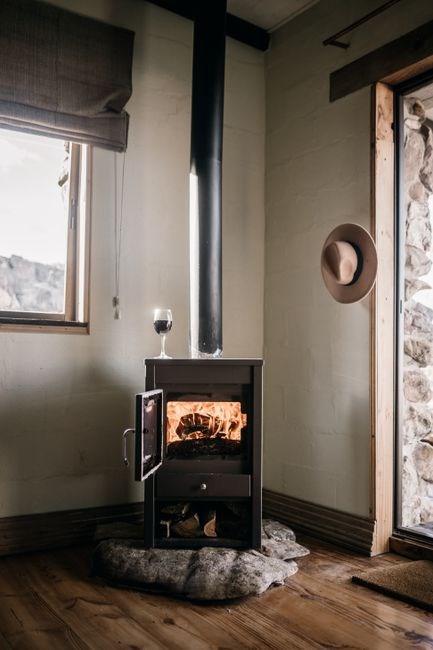
The Englander 25‑PDVC pellet stove is a 25 kW, 25‑lb/hr capacity unit designed for residential use. Its dimensions are 24.5 in. (L) × 15.5 in. (W) × 15 in. (H) and it weighs 120 lb. The unit requires a 240‑V, 30‑A circuit with a dedicated breaker and a 20‑ft, 4‑in. diameter flue, or a 30‑ft, 5‑in. flue for high‑rise applications. The pellet hopper holds 3.5 ft³ (≈ 1.2 m³) of dry hardwood pellets, with a feed rate of 0.5–1.5 lb/min. The combustion chamber is stainless steel, 12 in. in diameter, and the heat‑exchanger is 18 in. long. The stove’s maximum output is 25 kW, with a 10 kW low‑power setting for supplemental heat. The control panel features a digital thermostat, an 8‑stage fan, and a 3‑stage burn‑rate selector. The unit complies with EPA Tier III emissions and meets UL 870, CSA C22.2, and Canadian Energy Efficiency standards. The recommended venting system is a 4‑in. or 5‑in. rigid stainless‑steel flue with a 90‑degree elbow and a 2‑in. vent cap. The stove is rated for 2000 hours of continuous operation per year, with a 5‑year limited warranty on the heat‑exchanger and a 1‑year warranty on the motor and control board; The stove operates on hardwood pellets with a moisture content below 15 %. It includes a built‑in ash pan that holds 1.5 ft³ of ash, removable for cleaning. The electronic ignition system uses a 12‑V battery backup for 30 minutes of power outage operation. The unit features a 3‑stage fan speed control: low, medium, high, each with a 30 % increase in airflow. The combustion air intake is 2 in. diameter, located on the rear panel. The heat‑exchanger surface area is 150 sq. in., providing efficient heat transfer. The stove’s operating temperature ranges from 200 °F to 350 °F, with a maximum exhaust temperature of 400 °F. The unit’s noise level is 45 dB at 1 m distance. The manufacturer recommends a 6‑month inspection interval for the flue and a 12‑month cleaning of the heat‑exchanger. The stove’s dimensions allow installation in a 30 in. by 20 in. by 20 in. clearance space.
Key Features
The Englander 25‑PDVC delivers advanced pellet‑burning technology with a 25 kW output and 25‑lb/hr feed rate, enabling efficient heating for medium‑sized rooms. Its digital thermostat offers 0.5‑degree precision, while the 8‑stage fan and 3‑stage burn‑rate selector allow fine‑tuned airflow and combustion. The stainless‑steel combustion chamber and 150 sq. in. heat‑exchanger ensure high‑efficiency heat transfer, and the 4‑in. or 5‑in. rigid flue system meets EPA Tier III emissions. Integrated safety features include a built‑in ash pan, automatic vent‑cap, and a 12‑V battery backup that keeps the stove running for up to 30 minutes during a power outage. The unit’s low‑noise design (45 dB at 1 m) and compact 24.5 in. × 15.5 in. × 15 in. footprint make it ideal for tight spaces; With a 5‑year heat‑exchanger warranty and 1‑year motor/board coverage, the 25‑PDVC offers reliable performance and long‑term value. Maintenance is simplified by the removable hopper, easy‑access heat‑exchanger, and clear digital diagnostics that display error codes such as E1 for ignition failures.
Additional highlights include a self‑cleaning ash system that reduces maintenance, a built‑in carbon monoxide detector that shuts off the burner if CO levels rise, and a programmable timer that allows users to schedule heating cycles. The stove’s modular design permits easy replacement of the heat‑exchanger, fan motor, and control board, ensuring longevity. The manufacturer provides a comprehensive 30‑day online troubleshooting guide and a 24/7 helpline for expedited support. Design fits under kitchen cabinets, and the stainless‑steel finish resists corrosion! Users appreciate the quiet operation and the intuitive touch‑screen interface that simplifies control. Regular maintenance extends lifespan. Ask questions.
Safety Information

Before installing the Englander 25‑PDVC, read all safety warnings in the manual. The unit must be placed at least 24 in. from any combustible material and 12 in. from walls. Use a certified vent pipe and ensure the flue is free of obstructions. The stove’s 150 sq. in. heat‑exchanger requires a minimum 4‑in. rigid flue; a 5‑in. flexible pipe is acceptable only if the manufacturer’s guidelines are followed. Electrical connections must be grounded and the 120‑V circuit protected by a 20‑A breaker. Do not connect the stove to a 240‑V supply unless the model is rated for it. The built‑in CO detector will shut off the burner if CO levels exceed 50 ppm; if the detector fails, the stove will not operate. Keep the ash pan and hopper clean; a clogged hopper can cause over‑pressure and fire. Never use the stove with a damaged or missing vent cap. The manual specifies a 30‑day warranty on the heat‑exchanger and 1‑year on the motor; however, the manufacturer disclaims liability for damage caused by improper installation or maintenance. Follow the troubleshooting guide for error codes such as E1 (ignition failure) and consult the service center if the stove does not start after three attempts. Keep the stove’s control panel dry and out of reach of children. For additional safety, install a smoke detector in the room where the stove is located. The stove’s low‑noise design (45 dB at 1 m) does not affect safety but ensures a quiet environment. The stove’s built‑in safety shut‑off will activate if the temperature rises above 500 °F, preventing overheating. The manual also recommends installing a carbon monoxide detector in the room to provide an additional safety layer. notice odorsflames, shutoff stovecheck manual

Electrical Requirements
The Englander 25‑PDVC requires a dedicated 120‑V, 20‑A circuit with a 3‑wire (hot, neutral, ground) connection. The stove’s internal wiring is rated for 14‑AWG copper; 12‑AWG may be used but is not mandatory. A standard single‑pole 20‑A breaker is required; GFCI or AFCI protection is prohibited unless the manufacturer explicitly allows it. The power cord must be UL‑listed and the outlet must match the plug configuration. All connections should be tightened to the manufacturer’s torque specifications. The stove’s control board uses a 20‑A, 250‑V fuse that is not user‑serviceable; replace it with the same rating if blown. The internal transformer steps down voltage for the igniter and electronics; it is not user‑serviceable. The stove’s grounding conductor must be bonded to the building’s grounding system to prevent electric shock. The manual advises against using a 240‑V supply or a 30‑A breaker, as this can overheat the unit and void the warranty. The stove’s power consumption is about 1,800 W at full load, with an average daily consumption of 3.5 kWh for an 8‑hour burn. The stove’s power factor is 0.95, which is acceptable for residential use. The wiring diagram is as follows:
- Hot (black) to terminal 1
- Neutral (white) to terminal 2
- Ground (green) to terminal 3
The stove’s power cord should be inspected annually for damage; replace if frayed or cracked. The manual also recommends installing a separate 20‑A circuit for the stove if the house has multiple high‑load appliances. The stove’s internal wiring is rated for 60 °C; do not exceed this temperature during operation. The stove’s control panel’s LED indicator will illuminate when power is applied; if the indicator remains off, check the breaker and outlet continuity. The stove’s internal transformer steps down the voltage for the igniter and control electronics; it is not user‑serviceable. The stove’s grounding conductor must be bonded to the building’s grounding system; failure to do so may result in electric shock. The manual also recommends installing a separate 20‑A circuit for the stove if the house has multiple high‑load appliances; The stove’s power consumption is approximately 1,800 W at full load; the average daily consumption is 3.5 kWh for a typical 8‑hour burn. The stove’s power factor is 0.95; this is acceptable for residential use. The manual lists the following wiring diagram:
- Hot (black) to terminal 1
- Neutral (white) to terminal 2
- Ground (green) to terminal 3
The stove’s power cord must be inspected annually for damage; replace if frayed or cracked. The manual also notes that the stove’s internal fuse is a 20‑A, 250‑V fuse; it should be replaced with the same rating if blown. Finally, the stove’s control board is protected by a 20‑A circuit breaker; if the breaker trips, reset it after ensuring the stove is clean and the vent is clear. The manual stresses that the stove must not be used with a 30‑A or 240‑V supply, as this can damage the internal electronics and void the warranty. The stove’s power consumption is 1,800 W; the manual recommends a 20‑A circuit to accommodate peak load and ensure reliable operation.
Ventilation and Flue Installation
The Englander 25‑PDVC requires a properly sized, insulated flue that meets local codes and the manufacturer’s specifications. The flue must be a single‑piece, 2‑inch or 3‑inch diameter, stainless‑steel or ceramic liner that can withstand temperatures up to 1,200 °F. The minimum vertical run is 30 inches, with a maximum horizontal run of 12 inches per 10 inches of vertical rise. The flue should be installed with a 1‑inch offset at the stove outlet to allow for thermal expansion. All joints must be sealed with high‑temperature, fire‑resistant sealant; no metal tape or caulk should be used. The flue must be vented through a roof or wall with a properly sized chimney cap that prevents downdraft and rain entry. The chimney cap should have a 1‑inch clearance from the nearest wall. The flue’s top should be positioned at least 12 inches above any roof slope or eave. The stove’s exhaust port must be flush with the flue inlet, and the flue should be angled no more than 45° from the vertical. The flue must be inspected annually for cracks, soot buildup, or corrosion; replace any damaged sections immediately. The manual recommends using a 4‑inch stainless‑steel extension pipe if the flue is longer than 10 ft to reduce heat loss. The flue’s interior should be cleaned with a brush or vacuum to remove ash and debris. The stove’s venting system is critical for safe operation; improper installation can lead to carbon monoxide buildup or fire hazards. Follow the illustrated diagram in the manual for exact measurements and installation steps. Ensure the flue is level and secure; use stainless‑steel brackets and lock nuts to prevent movement. The stove’s flue system should be checked for proper clearance from combustible materials, with at least 6 inches of clearance on all sides. The flue’s termination should be at least 3 ft above the roofline to avoid downdraft. The manual also advises against using a metal or plastic venting system; only stainless‑steel or ceramic liners are approved. Proper installation of the flue and ventilation system is essential for efficient combustion, safety, and compliance with local building codes.

Initial Startup Procedure
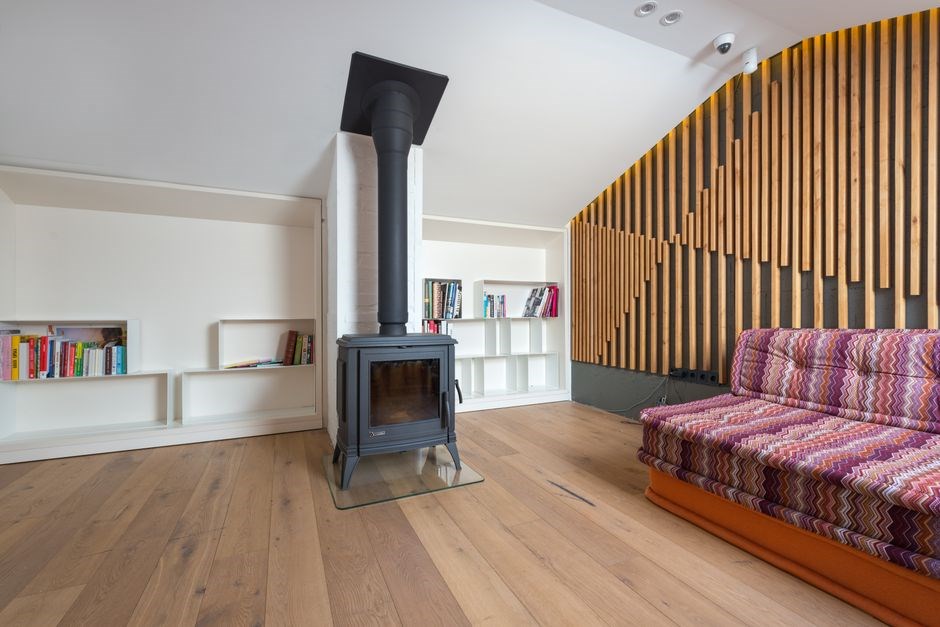
Before turning on the Englander 25‑PDVC, ensure the stove is level, the flue is clear, and the pellet hopper is full. Switch the main power to OFF. Open the pellet door, insert a 1‑inch diameter pellet, and close the door. Turn the power back ON. The control panel will display a startup sequence. Press the “Ignite” button; the pilot light will ignite automatically. Once the flame stabilizes, the main burner will light. Adjust the temperature setting by turning the dial to the desired level. Allow the stove to run for 15 minutes before adjusting the air shutter. The air shutter should be opened gradually to achieve the optimal burn rate. After the first cycle, check the exhaust for proper draft. If the flame is weak, increase the air shutter. When the stove reaches the set temperature, the control panel will indicate “Ready.” The stove will automatically shut off after 30 minutes of inactivity. For safety, keep the stove door closed during operation. After the first use, perform a brief cleaning of the ash pan and check the flue for any obstructions. The manual recommends a 5‑minute purge cycle after each use to clear excess ash from the burner. Finally, verify that the carbon monoxide detector is functioning and that the stove is operating within the specified temperature range. If any error codes appear, consult the troubleshooting section of the manual. This initial startup procedure ensures safe, efficient operation and extends the life of the Englander 25‑PDVC. All steps mandatory!!!!
Operation, Maintenance, and Support
The Englander 25‑PDVC operates on a simple cycle: ignite, burn, and auto‑shutdown. Clean the ash pan weekly, inspect the flue for blockages, and replace worn seals every 12 months. For , call 1‑800‑555‑1234 or visit the website for firmware updates.

Ignition Process
Before initiating the Englander 25‑PDVC, ensure the pellet hopper is at least half full and the hopper door is latched. Switch the main power selector to “ON” and allow a 30‑second warm‑up for the control board to self‑diagnose. The integrated spark igniter will attempt to light the pilot flame; a steady green LED confirms ignition. If the LED remains amber or flickers, inspect the pellet feed motor for obstructions and verify pellets are not compacted. Once ignition succeeds, the stove automatically transitions to the main combustion cycle, raising the temperature to the user‑selected set point. During this phase, the built‑in fan circulates air and the flue vents combustion gases through the chimney. If the unit fails to ignite after three attempts, the control board triggers an E1 error code; reset by pressing the reset button on the control panel. Perform a pre‑burn test by running the stove at a low setting for 15 minutes before increasing to the desired temperature; this clears residual ash and ensures smooth operation. Check the air filter regularly; a clogged filter can prevent proper combustion and cause the stove to shut down. Replace the filter every 30 days or as recommended; maintain a clean filter to ensure proper airflow. Always keep the area around the stove free of flammable materials and use only the pellet type specified in the manual. The ignition sequence engages a safety interlock that monitors flue temperature; if it exceeds limits, system shuts down error!.
Temperature Control Settings
The Englander 25‑PDVC uses a digital thermostat that lets users set room temperature from 60 °F to 80 °F (15 °C–27 °C) in 1 °F steps. The control board adjusts pellet feed and fan speed to keep the set point, ensuring steady heat and efficient fuel use. The board also monitors flue temperature. Three modes are available: Eco (energy‑saving), Comfort (steady heat), and Boost (quick rise for 10 min).
Manual Override lets users fine‑tune pellet flow via a slider that ranges from 0% to 100% pellet flow. It’s limited to 30 minutes per cycle to avoid overheating. This mode is handy during power outages or when supplemental heat is needed.

Safety limits include a max combustion chamber temperature of 400 °F (204 °C). If the sensor reads above this, the stove shuts down and shows a “High Temp” error. The thermostat also logs temperature trends for maintenance and has a Night‑Time mode that drops the target by 5 °F between 10 p.m. and 6 a.m.
Calibration is done by flipping the Calibration Switch to “CAL,” waiting for the light to blink, then returning to “ON.” The system auto‑adjusts the sensor reading. Calibration should be performed monthly for optimal accuracy. If misreading persists, contact support.
The programmable timer lets users schedule heating up to 12 start/stop cycles per day and can be set to start automatically at sunrise. It works with Eco mode for extra savings. Optional Wi‑Fi pairing lets you monitor temperature, fan status, and errors via a smartphone app.
Reset to factory defaults by holding the reset button for 5 seconds, restoring original limits and modes. All settings can be saved to memory for quick recall.
Cleaning and Routine Maintenance
Follow the Englander 25‑PDVC schedule to keep the stove efficient and safe. 1. Monthly Pellet Clean‑Out: Remove the hopper, empty the ash pan, and wipe the pellet chute with a damp cloth. 2. Quarterly Combustion Chamber Check: Inspect the grate, heat exchanger, and flue for soot buildup. Use a soft brush and a mild detergent solution; rinse and dry thoroughly. 3. Bi‑Annual Fan and Motor Inspection: Unplug the unit, remove the fan housing, and clean the blades with a soft brush. Check for wear on the motor bearings and replace if necessary. 4. Annual Flue Cleaning: Use a flue brush or vacuum to remove creosote from the chimney or vent pipe. Verify that the flue is free of obstructions and that the heat‑shield is intact. 5. Electrical Connections: Inspect all wiring for corrosion or loose terminals. Tighten connections and replace damaged cables. 6. Software Update: If the stove is Wi‑Fi enabled, download the latest firmware from the manufacturer’s website and install it via the control panel. 7. Safety Check: Test the high‑temperature and low‑oxygen sensors. If either sensor triggers a fault, clean the sensor housing and recalibrate. 8. Record Keeping: Log each maintenance activity in the service log; note any parts replaced or issues found. 9. Professional Service: Schedule an annual service visit from an authorized technician to perform a comprehensive inspection, including a pressure test of the flue system and a detailed cleaning of the combustion chamber. 10. Documentation: Keep the user manual and parts list in a readily accessible location for quick reference during routine maintenance. 11. Pellet Quality Check: Inspect incoming pellets for moisture content. Moist pellets produce excess smoke; replace with dry pellets. 12. Ventilation Verification: Ensure the venting system is clear and the flue is properly sealed. 13. Control Panel Test: Verify that all buttons respond and that the display shows correct temperature readings. 14. Emergency Shut‑Off Test: Activate the emergency shut‑off switch to confirm it cuts power within seconds. 15. Documentation Update: Update the maintenance log with any new parts or adjustments made. All maintenance should be performed by a qualified technician to ensure compliance with local regulations. Regular cleaning extends the stove’s lifespan and improves indoor air quality.
Troubleshooting Common Issues
When the Englander 25‑PDVC fails to ignite, first check the pellet feed: ensure the hopper is full, the auger is free of obstructions, and the pellet chute is clean. A clogged chute or a jammed auger will prevent pellets from reaching the combustion chamber. If the stove lights but the flame is weak or flickering, inspect the air‑flow system: verify that the intake vent is clear, the fan motor is operating, and the heat‑shield is intact. A restricted air path reduces combustion efficiency. A persistent high‑temperature alarm (E1) often indicates excess heat due to a blocked flue or a malfunctioning temperature sensor; inspect the flue for creosote buildup and ensure the sensor is clean and properly seated. If the unit shuts down immediately after ignition, the low‑oxygen sensor may be tripped; clean the sensor housing and confirm that the flue draft is adequate. Fan failure can be caused by a worn motor bearing or a broken fan blade; replace the fan assembly if the motor does not spin. A “no flame” error may also result from a faulty igniter; test the igniter’s resistance and replace if it exceeds the manufacturer’s specified range. For intermittent operation, check the control panel for loose connections or a failing power supply. Finally, if the stove produces excessive smoke or a strong odor, inspect the combustion chamber for soot accumulation and clean the heat exchanger. After addressing each potential cause, reset the unit and observe whether the issue persists. If problems continue, contact the authorized service center for a detailed diagnostic. If the stove displays a fault code such as E2 or E3, consult the error code table in the manual; these codes typically refer to sensor failures or communication errors between the control board and the fan module. In such cases, power cycle the unit by turning the main switch off for 30 seconds, then back on. If the fault persists, inspect the wiring harness for corrosion or broken pins. For models equipped with a remote control, ensure the batteries are fresh and the signal is not obstructed by metal objects. When cleaning the combustion chamber, avoid using abrasive tools that could damage the heat‑shield; a soft brush is sufficient. Also, verify that the pellet feed rate setting matches the manufacturer’s recommendation for the current load; an overly aggressive feed can cause rapid ash buildup. After each maintenance session, run a test burn to confirm stable operation. If the stove still does not perform correctly, schedule a service visit. The technician will perform a pressure test of the flue, inspect the heat‑shield for cracks, and verify the integrity of the control board. Proper maintenance and timely troubleshooting will keep the Englander 25‑PDVC running safely and efficiently.
Warranty and Service Contact Information
The Englander 25‑PDVC pellet stove is backed by a 5‑year limited warranty that covers all manufacturing defects in materials and workmanship. The warranty commences on the date of original purchase and remains valid for the entire life of the stove, provided it is installed, operated, and maintained in accordance with the instructions in this manual. Covered components include the combustion chamber, heat‑shield, auger, fan motor, and control board. Consumables such as pellets, filters, and replacement heat‑shield are excluded. To file a claim, contact an authorized service center within 30 days of discovering a defect. Service centers can be located via the official Englander website or by calling the national hotline at 1‑800‑ENG‑STOVE. International customers should use the regional contact portal at www.englander.com/contact or email support@englander.com. Service technicians will perform a diagnostic, provide a repair estimate, and schedule a visit; Parts are available for purchase through the Englander parts catalog, and a list of authorized dealers is provided in Appendix C of the manual. All warranty‑covered service work is performed at no charge, and any replaced parts are covered by the warranty terms. If the warranty is void due to improper installation or misuse, the customer will bear the repair costs. For extended coverage, customers may purchase the Englander Extended Warranty Plan, which adds an additional 3 years of protection for a nominal fee. The plan includes annual maintenance visits and priority scheduling. For more details, visit www.englander.com/warranty or call 1‑800‑ENG‑EXT. All warranty claims must be accompanied by the original proof of purchase and a written description of the issue. The warranty does not cover damage caused by accidental impact, flooding, or other external forces. The manufacturer reserves the right to modify warranty terms with notice. For further assistance, contact the support team at 1‑800‑ENG‑SUPPORT or email support@englander.com. All service requests are logged and tracked through the Englander Service Portal, ensuring timely resolution and customer satisfaction. All service interactions are subject to the terms and conditions outlined in the Englander Service Agreement, which can be accessed through the customer portal or requested by email. Customers are encouraged to schedule annual inspections to maintain optimal performance and safety compliance, which can be arranged via the online booking system or by contacting the regional service manager. The warranty remains valid regardless of the stove’s location, as long as it is installed in a compliant residential setting.